This has been an incredible week for PWSA | USA and the rare disease community. In collaboration with RDLA and the Every Life Foundation, PWSA | USA took part in Rare Disease Week on Capitol Hill. We had the opportunity to represent our community and meet with Congressmen Tonko, Delgado, Bacon, and Senators Schumar, Gillibrand,...
On behalf of Radius Health, Inc: Boston, Mass., July 22, 2021 — Radius Health, Inc. announced Wednesday, July 21, 2021 that it has recently received the written meeting minutes from a June Type C meeting held with the U.S. Food and Drug Administration (FDA) regarding RAD011, a synthetic cannabidiol oral solution. RAD011 is initially to...
More than $3 billion in funding is set to be dispersed to schools around the country to meet the needs of students with disabilities after the fallout from COVID-19. Some of the funding will be used to support:Special Education programs for students between 3- and 21-years-oldPreschool offerings, specifically for infants and toddlers with disabilities
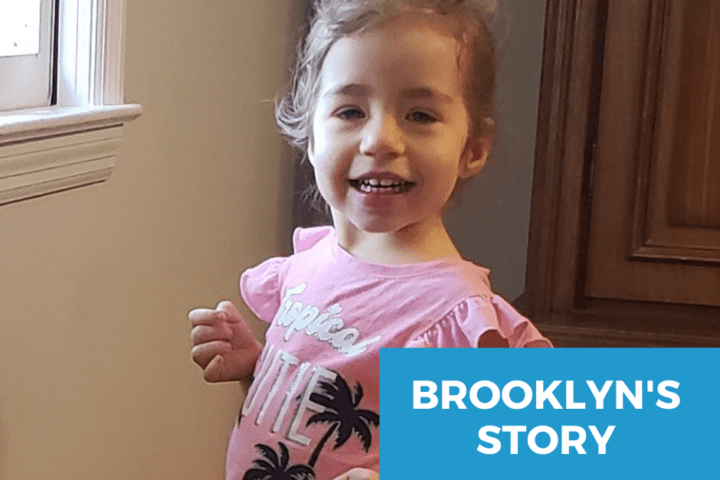
As told by her mom Lauren When we found out Brooklyn had Prader-Willi Syndrome, we felt lost, overwhelmed, alone and devastated. Our geneticist told us to reach out to PWSA | USA. Right away, they gave us hope in what we thought was a hopeless situation. PWSA | USA sent us a packet of information...
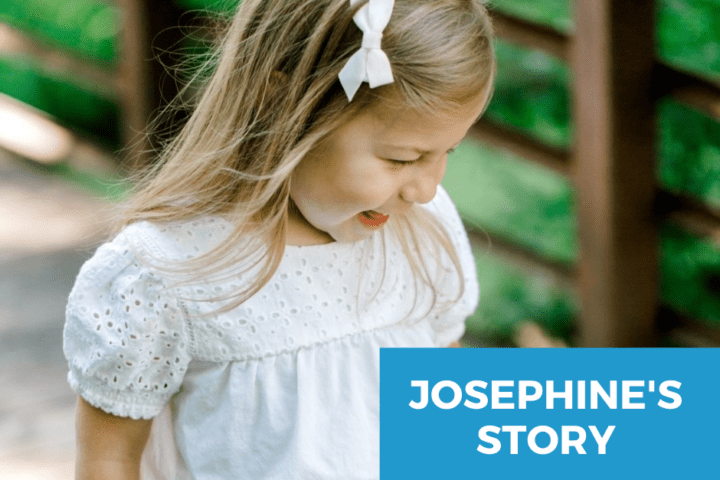
As told by her mom, Jennifer The birth of our first child, Josephine and the weeks that followed in the NICU often brought to mind the term “brutiful.” We were so immediately deeply in love with Josephine and quickly so scared as well. Those days were so hard, but also full of beauty when we...
Rare Disease Week will take place July 14, 2021 – July 22, 2021 and it’s a chance to make your voice heard! EveryLife Foundation will be leading Rare Disease Week, which educates those of the rare disease community on federal legislative issues, meet other advocates, and share their unique stories with legislators. If you are...
FDA agrees to review additional data to determine adequacy for submission of NDA Soleno Therapeutics, Inc. provided an update on Tuesday, July 7, 2021 following a recent interaction with the FDA regarding the development of DCCR, a potential treatment for PWS. According to Soleno Therapeutics, on July 2, 2021 they received news from The FDA,...
Read Levo Therapeutic, Inc.’s Full Article HERE. CHICAGO, IL, July 6, 2021 (Newswire.com) – Levo Therapeutics, Inc., a biotechnology company dedicated to using genetic insights to advance treatments for Prader-Willi syndrome (PWS) and related disorders, announced today that the U.S. Food and Drug Administration (FDA) has accepted its New Drug Application (NDA) for review and...
On June 17, 2021, PWSA | USA and FPWR held a Patient Listening Session with the FDA to share our community’s experiences related to Prader-Willi syndrome (PWS). The purpose of this meeting was to promote dialogue between the FDA and members of the PWS patient community to ensure the FDA has a full understanding of...
The 2021 PWSA | USA Online Convention Store is now open for business! We are excited to offer a wide variety of gear to kick-off this year’s National Convention. The Convention Store offers mugs, t-shirts, hoodies, a plush Panda stuffed animal, picture frames, coasters, infant onesies, and so much more! PLUS – We have launched...
We are pleased to announce that Dr. Moris Angulo M.D. has opened a new clinic, located in Bablyon, NY, and is accepting patients. Location: Center for Pediatric Specialty Care, 655 Deer Park Avenue, Babylon, NY 11702 To schedule an appointment, call 631-321-2100 ——————————————– Moris A. Angulo, M.D., was born in El Salvador, Central América and...
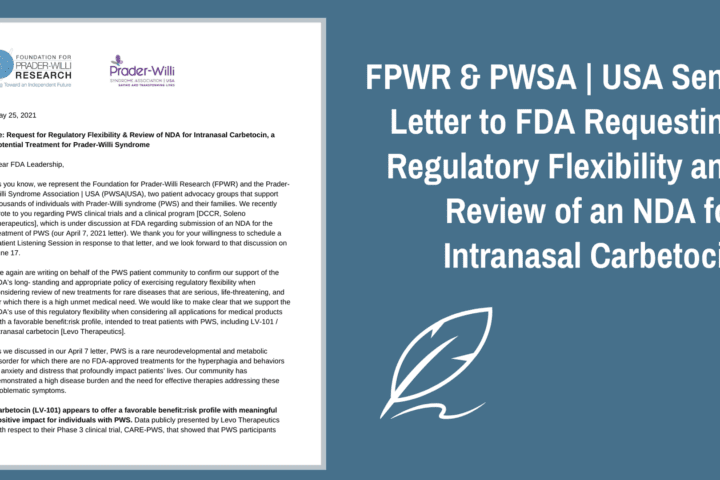
We request the flexibility afforded to other orphan indications when considering whether applications for treatments for PWS should be accepted for review. In a continuation of our joint advocacy efforts supporting the full review of potential drugs for PWS, FPWR and PWSA | USA have submitted a petition letter to the FDA requesting that they...
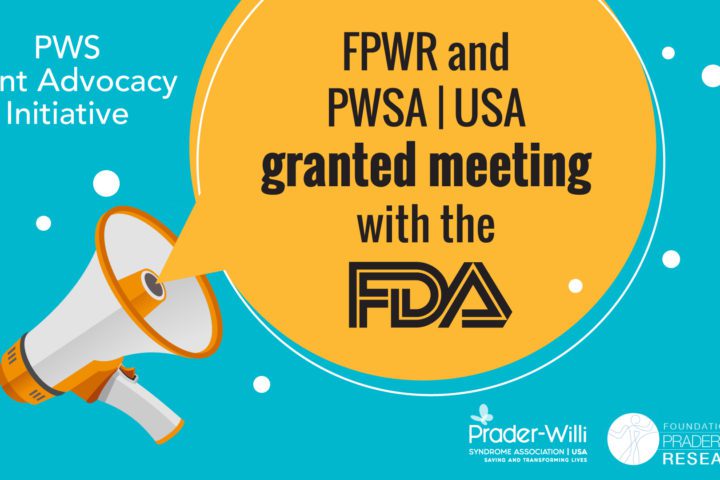
With your support, FPWR and PWSA | USA have been granted a meeting with the FDA, which will take place via teleconference later this month. This small, non-public meeting will allow FPWR and PWSA | USA to connect firsthand with the FDA staff and share important information that should be considered during the review of...
Jacob’s Story, as told by his mom, Teri: “Jacob is my 25 year old son with UPD PWS. Thankfully PWSA has been there for us since Jacob was born. We have definitely had challenges over the years. Those teenage years were filled with behaviors so we tried an ISL (independent supported living) in Kansas City,...
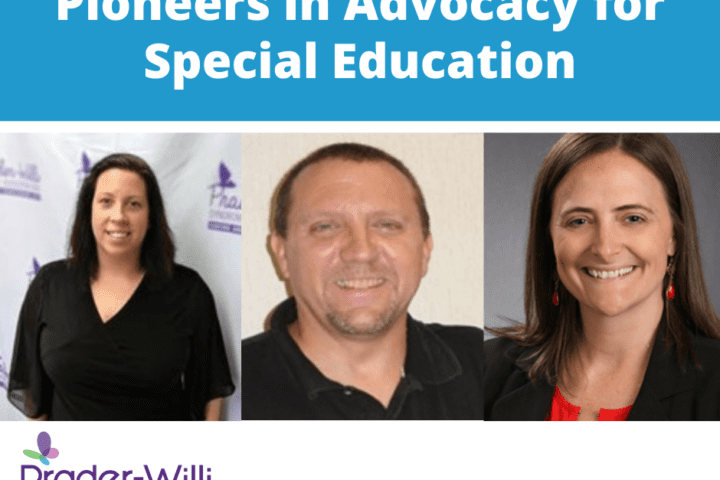
Many students with PWS and parents have faced many challenges over the years in educating and advocating for their right to a free and appropriate education. PWSA l USA staff have spent many hours developing handouts, participating in Individual Education Planning meetings and assisting families in addressing other educational concerns. In 2015, The Special Education...
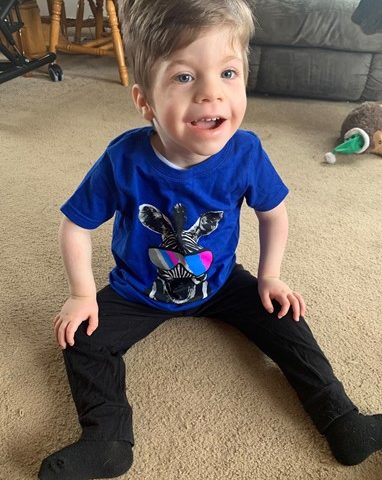
Hunter’s Story, as told by his mom, Nicolette: “I am mom to Hunter who is almost 2 years old. We have made it through many ups and many downs over the last almost 2 years. When Hunter was born he spent 43 days in 2 different NICUs. He was born at a hospital that thankfully...
Virtual Medical & Scientific Convention Wednesday, June 23, 2021 | 11:15 a.m. – 12:15 p.m. Keynote Speaker: Deepan Singh, MD Topic: Behavior Problems in Prader-Willi Syndrome – What to Expect REGISTER HERE Dr. Deepan Singh is a board-certified child, adolescent, and adult psychiatrist, who currently serves as the Vice-Chair of Ambulatory Psychiatry Services at Maimonides...
When we initially received Noelle’s diagnosis, we grieved the loss of all the typical long-term dreams that we had for our only daughter and acknowledged that we were going to need to live our lives differently. We then decided that PWS would not define her or our family. Certainly there are parts of our lives...
FOR IMMEDIATE RELEASE Contact: Paige Rivard, CEO Prader-Willi Syndrome Association USA (PWSA | USA) privard@pwsausa.org / 941-487-6724 Prader-Willi Syndrome Association | USA Expands Capacity to Serve With Transition of the Prader-Willi Care Coordination Program from The Children’s Institute of Pittsburgh (May 19, 2021- Sarasota, FL) PWSA | USA, a national nonprofit organization with a...
Teacher Appreciation Week Would you be where you are today, without the teachers in your life who encouraged, inspired and believed in you? I know I would not be. I considered being a teacher – who does not love the idea of getting out of work by three every day and having summers off? What...
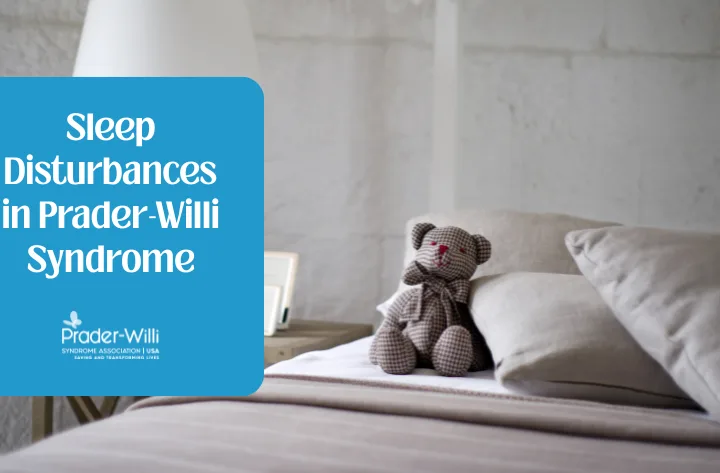
Sleep health is essential for everyone; it is just as important to take care of ourselves as parents and caregivers as it is for those living with Prader-Willi syndrome (PWS). We understand that disordered sleep has implications for cognitive outcomes, mental and physical health, and work and school performance. Sleep disturbances can occur from many...
The leadership in an organization is one of the most important elements to achieving long-lasting success. It is important for this individual to be passionate, knowledgeable and organized. They must be a team builder as well as build and maintain alliances. They must be vigilant in making sure there are the proper resources to maintain...
You may not know Gene and Fausta Deterling, but they changed your life and the life of your child with PWS. “Curtis has Prader-Willi syndrome.” The Deterlings stared at their doctor in disbelief when they heard those words in 1971. Gene was an engineer and a manager, a problem solver. “Can’t we do something?” That...
The pandemic has been a mixed bag for the PWS community. For some individuals, mental health has suffered, isolation has increased, and opportunities for engagement and inclusion have been limited. For others, former anxieties and struggles have been alleviated, and new hobbies and interests have developed. There are fewer opportunities to access food, but also...
Scroll to top
Join our Newsletter
Stay current on what’s trending in the PWS community by joining our mailing list.
PWSA | USA
1032 E Brandon BLVD #4744
Sarasota, FL 33511
Phone: (941) 312-0400
Perry A. Zirkel
Perry A. Zirkel has written more than 1,500 publications on various aspects of school law, with an emphasis on legal issues in special education. He writes a regular column for NAESP’s Principal magazine and NASP’s Communiqué newsletter, and he did so previously for Phi Delta Kappan and Teaching Exceptional Children.
Past president of the Education Law Association and co-chair of the Pennsylvania special education appeals panel from 1990 to 2007, he is the author of the CEC monograph The Legal Meaning of Specific Learning Disability; the more recently published books, ADigest of Supreme CourtDecisions AffectingEducation and Student Teaching and the Law; and the two-volume reference Section 504, the ADA and theSchools, now in its fourth edition. In 2012, he received Research into Practice Award from the American Educational Research Association (AERA) and the Excellence in Research Award from AERA’s Division A (Administration, Organization & Leadership). In 2013, he received the University Council for Educational Administration’s Edwin Bridges award for significant contributions to the preparation and development of school leaders. In 2016, he received the Education Law Association’s Steven S. Goldberg Award for Distinguished Scholarship in Education Law, and in 2017 he received the Council for Exceptional Children’s Special Education Research Award. Note:Perry’s website is perryzirkel.com
Jennifer Bolander
Jennifer Bolander has been serving as a Special Education Specialist for PWSA (USA) since October of 2015. She is a graduate of John Carroll University and lives in Ohio with her husband Brad and daughters Kate (17), and Sophia (13) who was born with PWS.
Over the years, as a special-needs parent navigating the Special Education system for Sophie, Jennifer became interested in learning as much as possible about that process. She began by attending PWSA (USA)’s first Wyatt Special Education Advocacy Training in March of 2013, and went on to complete a rigorous 9-month Special Education Advocacy Training course with the Council of Parent Advocates and Attorneys in May of 2015. This included successfully completing an advocacy internship with PWSA (USA). Jennifer is referred school cases by PWSA (USA)’s Family Support Counselors, and then works closely with parents and schools to review education records, assess the child’s situation at school, provide further information about how the syndrome affects the school experience, and, as needed, create improved IEPs and behavioral plans. Jennifer was excited to take on this role of helping parents in the PWS community to work collaboratively with school professionals and parents to create positive, effective learning environments for children with PWS across the country. Jennifer is a graduate of the WSEAT program.
Dr. Amy McTighe
Dr. Amy McTighe is the PWS Program Manager and Inpatient Teacher at the Center for Prader-Willi Syndrome at the Children’s Institute of Pittsburgh. She graduated from Duquesne University receiving her Bachelor’s and Master’s degree in Education with a focus on elementary education, special education, and language arts.
She obtained her PhD from Capella University in Education focusing her research on Prader-Willi Syndrome. Dr. McTighe is also a graduate of the William & Mary Law School’s Institute for Special Education Advocacy. Dr. McTighe is currently the chair of the Special Education Advisory Board for the Prader-Willi Syndrome Association-(USA). Amy is the Chair of PWSA (USA)’s Special Education Advisory Board.
Evan Farrar
Evan has worked with the Prader-Willi Syndrome Association (USA) since 2007 primarily as a Crisis Intervention and Family Support Counselor. Evans works with parents and schools to foster strong collaborative relationships and appropriate educational environments for students with PWS.
In addition to Evan’s work with parents, he helped create PWSA (USA)’s Wyatt Special Education Advocacy Training (WSEAT) in 2013, the PWSA (USA) Special Education Advisory Board (SEAB) and created PWSA (USA)’s e-letter “School Times”. Evan’s special education advocacy training includes graduating from the William and Mary College of Law’s Special Education Advocacy Institute and regularly attending the annual Special Education Law Symposium at Lehigh University. Evan has an M.A. in Mental Health Counseling.
Staci Zimmerman
Staci Zimmerman works for Prader-Willi Syndrome Association of Colorado as an Individualized Education Program (IEP) consultant. Staci collaborates with the PWS multi-disciplinary clinic at the Children’s Hospital in Denver supporting families and school districts around the United States with their child’s Individual Educational Plan.
Staci Zimmerman has lived in Denver, CO for the past 17 years. She lives with her husband and 5 year old daughter. Staci attended The University of Kansas, with a B.A in sociology and an M.ed in Special Education, with an emphasis in Autism Spectrum Disorder. Staci enjoys teaching fitness classes, and keeping a healthy, active lifestyle in Colorado.
Jim Comstock-Galagan Esq.
Founded in 2001, SDLC is a non-profit legal services organization dedicated to protecting and advancing the legal rights of people with disabilities throughout the South. It partners with the Southern Poverty Law Center, Protection and Advocacy (P&A) programs, Legal Services Corporations (LSC) and disability organizations on major, systemic disability rights issues involving the Individuals with Disabilities Education Act (IDEA), Americans with Disabilities Act (ADA), and the federal Medicaid Act. Recently in November 2014, Jim retired.
Before founding SDLC, Jim was the Executive Director of Advocacy, Inc., the Texas Protection and Advocacy program from 1989-2001. During that period, he managed the growth of the program from 34 staff to a staff of 94 and from a centralized operation with one office to a regionalized operation with eleven offices spread across Texas.
From 1981-1989, Jim worked for the Advocacy Center for the Elderly and Disabled (Louisiana’s Protection and Advocacy program) as its Legal Director. From 1979 to 1981 Jim worked as a staff attorney for the Louisiana Center for the Public Interest.
Jim graduated from Tulane University School of Law in 1977, and has a BA in Accounting & Economics from the University of Puget Sound.
Jim is the author of publications and training materials on the IDEA, the ADA, and Section 504, including: Keeping Students with Disabilities in School: Legal Strategies and Effective Educational Practices for Preventing the Suspension of Students with Disabilities – A Resource Manual (2014);Stopping the Schoolhouse to Jailhouse Pipeline by Enforcing Federal Special Education Laws (2006), co–authored with Rhonda Brownstein from the Southern Poverty Law Center.
Jim has served as lead or co-counsel in several major IDEA actions in Texas, Louisiana, and Mississippi on behalf of thousands of students with disabilities, including Angel G. v. Texas Education Agency; Luke S. v. Louisiana Department of Education and Mattie T. v. Mississippi Department of Education. The past decade, he also filed and favorably settled five systemic administrative complaints in Louisiana, Mississippi, and Florida. These systemic complaints were filed under IDEA’s state complaint procedures.
Jim has also made over two hundred presentations at statewide, regional and national conferences on IDEA, Section 504, and ADA issues. The past four years he has also served as one of the faculty members at William and Mary Law School’s week long Institute on Special Education Advocacy.



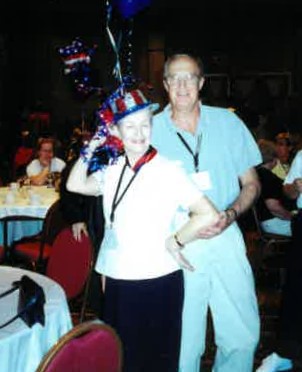
 Perry A. Zirkel has written more than 1,500 publications on various aspects of school law, with an emphasis on legal issues in special education. He writes a regular column for NAESP’s Principal magazine and NASP’s Communiqué newsletter, and he did so previously for Phi Delta Kappan and Teaching Exceptional Children.
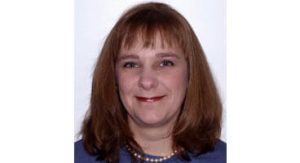 Jennifer Bolander has been serving as a Special Education Specialist for PWSA (USA) since October of 2015. She is a graduate of John Carroll University and lives in Ohio with her husband Brad and daughters Kate (17), and Sophia (13) who was born with PWS.
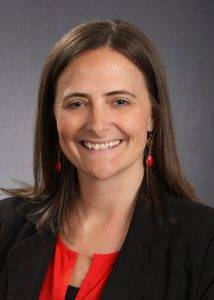 Dr. Amy McTighe is the PWS Program Manager and Inpatient Teacher at the Center for Prader-Willi Syndrome at the Children’s Institute of Pittsburgh. She graduated from Duquesne University receiving her Bachelor’s and Master’s degree in Education with a focus on elementary education, special education, and language arts.
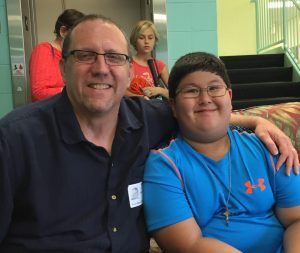 Evan has worked with the Prader-Willi Syndrome Association (USA) since 2007 primarily as a Crisis Intervention and Family Support Counselor. Evans works with parents and schools to foster strong collaborative relationships and appropriate educational environments for students with PWS.
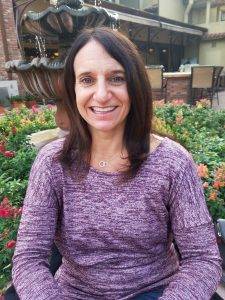 Staci Zimmerman works for Prader-Willi Syndrome Association of Colorado as an Individualized Education Program (IEP) consultant. Staci collaborates with the PWS multi-disciplinary clinic at the Children’s Hospital in Denver supporting families and school districts around the United States with their child’s Individual Educational Plan.
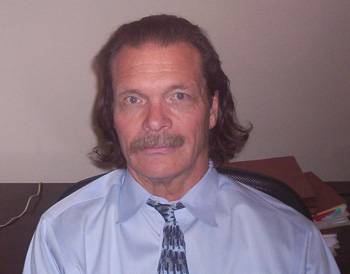 Founded in 2001, SDLC is a non-profit legal services organization dedicated to protecting and advancing the legal rights of people with disabilities throughout the South. It partners with the Southern Poverty Law Center, Protection and Advocacy (P&A) programs, Legal Services Corporations (LSC) and disability organizations on major, systemic disability rights issues involving the Individuals with Disabilities Education Act (IDEA), Americans with Disabilities Act (ADA), and the federal Medicaid Act. Recently in November 2014, Jim retired.