
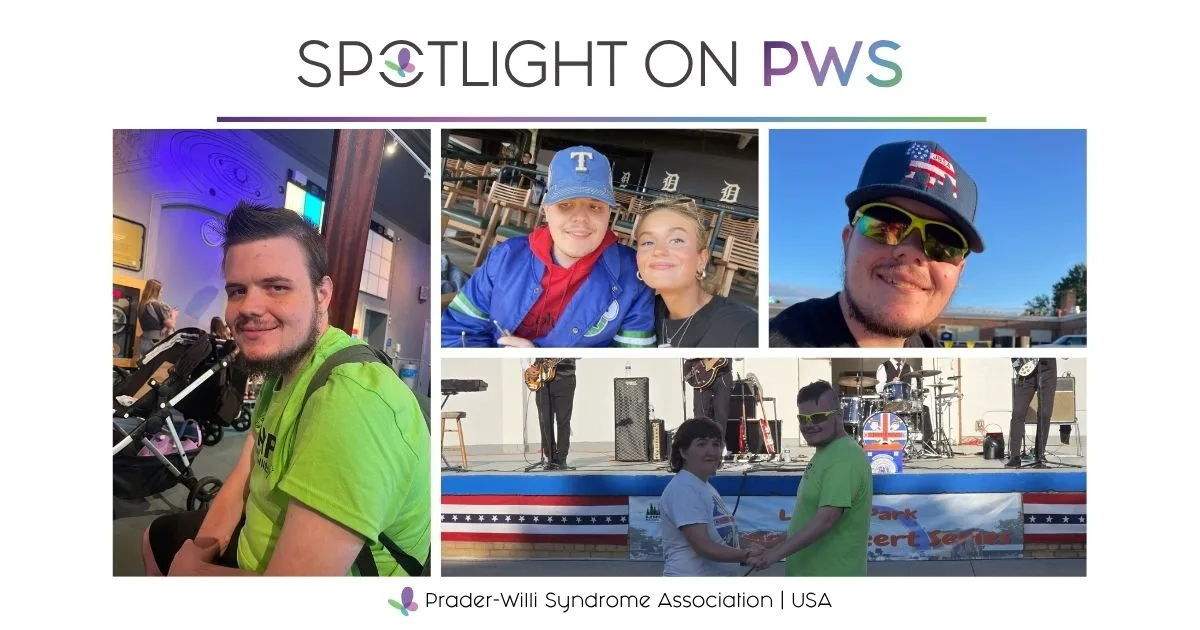
submitted by Khristina, mom to Gabe (24, with PWS)
Gabe is a 24-year-old young man whose life has been shaped by Prader-Willi syndrome (PWS), autism, intellectual disability, apraxia, and Distal 17p13.1 microdeletion syndrome. Each diagnosis brings its own challenges, and together they create a complex set of needs that affect his daily life, independence, communication, safety, and ability to navigate a world that is not always designed to accommodate him. But Gabe is so much more than his diagnoses.
As his mom, I have had the privilege of watching him work through challenges that many people may never fully understand. Everyday tasks that others take for granted can require significant support, patience, repetition, and encouragement for Gabe. His disabilities affect how he communicates, processes information, completes daily activities, and navigates situations that may seem simple to someone else.
Gabe’s experience with PWS has also been different from what many people expect. He has not demonstrated the typical need for intensive food-related supervision that is commonly associated with PWS. For much of his life, his weight was below the fifth percentile. His combination of diagnoses has made his individual presentation unique, reminding me that no two people with PWS are exactly alike.
Before his recent accident, Gabe was a happy, social, and active young man. He had many friends, participated in Special Olympics sports year-round, was active in his community, and was involved with the Knights of Columbus. He enjoyed being part of things, having a routine, and participating in activities that gave him purpose, connection, and joy. He was not taking medications and did not require a team of doctors and specialists to manage the kind of ongoing physical problems he is now experiencing.
Gabe attended school consistently and rarely missed a day. In Michigan, eligible students with disabilities can receive special education services through the school year in which they turn 26. School is therefore an important opportunity for Gabe to continue learning, developing skills, maintaining relationships, and working toward greater independence. Before the fall, he was engaged in his life and his community. Now, he has not even been able to begin this school year because of the pain and injuries he is dealing with.
On July 27, 2026, Gabe experienced a serious fall of approximately 9.5 feet during a special-needs summer camp field trip. According to what I understand happened, Gabe did not want to participate in the zip-line swing, but the camp counselor did not respect his refusal and forced him onto it. What should have been an opportunity for him to enjoy a summer activity instead became a life-changing event.
Since the fall, Gabe’s life has changed dramatically. He went from reporting a pain level of zero before the accident to reporting pain at an eight out of ten without medication and a six out of ten even with pain medication. Walking, something he previously did as part of his everyday life, is now painful. I am doing my best to keep his body moving and help him maintain what mobility he can without pushing him beyond what his pain allows or causing further harm.
There have also been days when Gabe has had little to no appetite. At times, I have had to sit at his bedside and feed him because he has been unable to manage eating as he normally would. Before the fall, he could feed himself. Watching my son lose abilities and independence that he previously had is heartbreaking.
His routines and schedules have been disrupted, his physical activity has been severely limited, and the sports, friendships, school experiences, and community involvement that once filled his life have been affected. The happy young man who was eager to participate in the world is now trying to navigate persistent pain, medical appointments, evaluations, and an uncertain recovery.
This experience has also shown me how much more needs to be understood about pain in people with PWS. Diminished pain perception does not mean that a person cannot experience serious injuries or significant pain. It can mean that the way pain is experienced, communicated, or recognized differs from what medical professionals expect. I have witnessed situations in which Gabe’s pain appeared to be disregarded or approached as though his PWS did not matter. His existing diagnoses must not become a reason to overlook new symptoms, dismiss his concerns, or underestimate the seriousness of an injury.
People with complex disabilities deserve to have their individual circumstances understood and their reports of pain taken seriously. They deserve professionals who listen, investigate, and consider the whole person rather than making assumptions based on a diagnosis.
Our journey has also involved learning how to navigate complicated medical, educational, and disability-support systems. Finding appropriate services, coordinating care, correcting referrals, and advocating for providers to understand Gabe’s combination of diagnoses can be extremely time-consuming for both of us and for the professionals trying to coordinate his care. Sometimes, the challenge is not simply living with a disability; it is trying to obtain the understanding, accommodations, and services needed to live as fully as possible with that disability.
As his mom, I want Gabe to have the opportunity to experience life beyond appointments, paperwork, pain, and the constant work of managing disabilities. I want him to return to meaningful activities, friendships, community involvement, and the routines that helped him thrive. I want him to have choices, to continue developing his abilities, and to be treated with the dignity and respect every adult deserves. Above all, I want his voice to matter. His refusal should have been respected, and his disabilities should never make him less deserving of bodily autonomy, safety, and informed, compassionate care.
I share our story because I believe our experiences can serve a greater purpose. If sharing what Gabe has been through helps another family feel less alone, helps a caregiver recognize a challenge before it becomes a crisis, encourages a professional to look beyond a diagnosis, or inspires positive changes in the protections and services available to people with disabilities, then our experiences may help make someone else’s journey a little easier.
Families raising loved ones with PWS and other complex disabilities often carry an enormous amount of responsibility that is not always visible to the outside world. Behind every appointment, phone call, referral, and request for help is a person whose life matters and a family trying to ensure that person receives the care, respect, and opportunities they deserve.
My hope for Gabe is not simply that he learns to live with new challenges. My hope is that he receives the care and support he needs to recover as fully as possible, regain abilities that have been affected, and return to the activities and relationships that brought him happiness. I want the world to see his abilities alongside his needs, his individuality alongside his diagnoses, and his potential alongside the barriers he faces.
Gabe’s story is still being written. He is more than PWS, more than his other diagnoses, and more than the injuries and difficulties he has endured. He is my son: a young man who was happy, active, involved, and connected to his community, and who deserves the opportunity to experience that life again.
If sharing his story can help create a more compassionate, informed, and accessible world for Gabe and others like him, then I will continue to use my voice in the hope that positive change will follow. Every individual with PWS deserves to be recognized for who they are, supported through what they face, and given the opportunity to show the world who they can become. Their diagnoses should inform their care, never diminish their voices, and never define the limits of their lives.
Submit your Spotlight on PWS:
Share this!



 Perry A. Zirkel has written more than 1,500 publications on various aspects of school law, with an emphasis on legal issues in special education. He writes a regular column for NAESP’s Principal magazine and NASP’s Communiqué newsletter, and he did so previously for Phi Delta Kappan and Teaching Exceptional Children.
 Jennifer Bolander has been serving as a Special Education Specialist for PWSA (USA) since October of 2015. She is a graduate of John Carroll University and lives in Ohio with her husband Brad and daughters Kate (17), and Sophia (13) who was born with PWS.
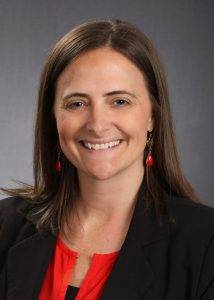 Dr. Amy McTighe is the PWS Program Manager and Inpatient Teacher at the Center for Prader-Willi Syndrome at the Children’s Institute of Pittsburgh. She graduated from Duquesne University receiving her Bachelor’s and Master’s degree in Education with a focus on elementary education, special education, and language arts.
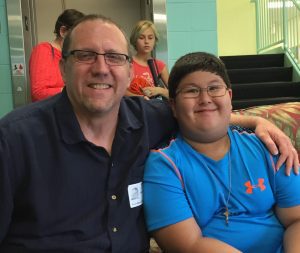 Evan has worked with the Prader-Willi Syndrome Association (USA) since 2007 primarily as a Crisis Intervention and Family Support Counselor. Evans works with parents and schools to foster strong collaborative relationships and appropriate educational environments for students with PWS.
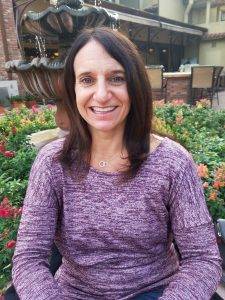 Staci Zimmerman works for Prader-Willi Syndrome Association of Colorado as an Individualized Education Program (IEP) consultant. Staci collaborates with the PWS multi-disciplinary clinic at the Children’s Hospital in Denver supporting families and school districts around the United States with their child’s Individual Educational Plan.
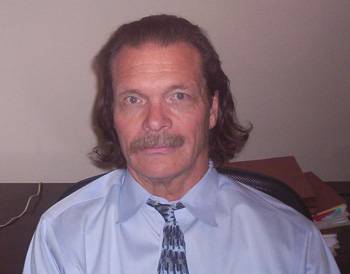 Founded in 2001, SDLC is a non-profit legal services organization dedicated to protecting and advancing the legal rights of people with disabilities throughout the South. It partners with the Southern Poverty Law Center, Protection and Advocacy (P&A) programs, Legal Services Corporations (LSC) and disability organizations on major, systemic disability rights issues involving the Individuals with Disabilities Education Act (IDEA), Americans with Disabilities Act (ADA), and the federal Medicaid Act. Recently in November 2014, Jim retired.