Contributed by PWSA | USA CEO Stacy Ward, MS, BCBA
At PWSA | USA, we know how important it is for families to have information they can trust, especially when it comes to new treatments for Prader-Willi syndrome. Our community has waited a long time for additional options to help manage hyperphagia, and the approval of VYKAT XR represents an important milestone in PWS care.
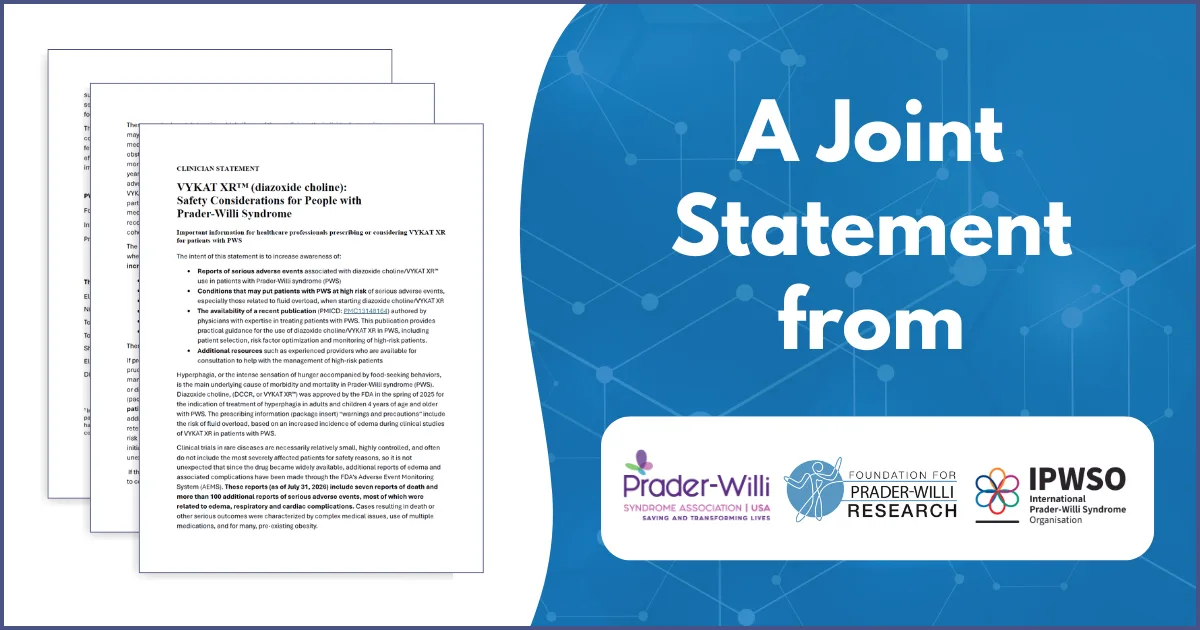
Today, we are sharing a new clinical and family-facing statement on VYKAT XR developed with input from experienced PWS clinicians, and we are also re-sharing our VYKAT XR Parent FAQ to help families navigate many of the questions we continue to receive about this medication. (You can find the statements and Parent FAQ document by scrolling below.)
These resources were created for the same reason we do everything at PWSA | USA: to help people make informed decisions based on good information, thoughtful discussion, and the realities of living with PWS every day.
Hyperphagia remains one of the most challenging and life-altering aspects of Prader-Willi syndrome. It affects health, safety, independence, emotional wellbeing, and family life. For many individuals and families, the possibility of reducing the relentless drive to eat has the potential to be truly life-changing. VYKAT XR is the first FDA-approved medication specifically indicated for hyperphagia in people with PWS ages four and older, and for many families it has brought a level of hope they have waited decades to see.
At the same time, with every new treatment comes a responsibility to continue learning.
Since VYKAT XR became more widely available, serious adverse events have been reported through post-marketing surveillance, including events involving edema, respiratory complications, and cardiac complications.
Those reports are understandably concerning. Families deserve transparency.
They also deserve context.
The statement emphasizes that these reports do not establish that VYKAT XR caused these outcomes. Many of the individuals involved had complex medical conditions, multiple medications, severe obesity, or other significant health challenges that are unfortunately common within the PWS population. The reality is that people with PWS already face a higher risk of serious respiratory and cardiac complications throughout their lives.
That is why the purpose of this new statement is not to discourage the use of VYKAT XR. Rather, it is to encourage informed prescribing, careful patient selection, and close monitoring, particularly for individuals with known risk factors.
One of the most valuable aspects of this statement is that it directs families and clinicians to the recently published paper by Dr. Jennifer Miller and colleagues, which provides practical guidance for the use of diazoxide choline/VYKAT XR in people with PWS, including patient selection, optimization of risk factors, and monitoring recommendations for higher-risk individuals. The paper offers clinicians real-world guidance that can help support safer use of the medication and better outcomes for patients.
The statement highlights several factors that may increase risk and deserve special consideration, including severe obesity, underlying cardiac disease, pre-existing edema, untreated sleep apnea, significant respiratory compromise, and a history of severe respiratory infections. For some individuals, this may mean additional evaluation before treatment begins. For others, it may mean slower titration, more frequent monitoring, or consultation with a clinician experienced in PWS care.
Alongside this new statement, we are re-sharing our VYKAT XR Parent FAQ, which was developed to answer the practical questions families ask every day. It covers topics such as effectiveness, side effects, monitoring, blood sugar checks, medication interactions, dosing, pharmacy access, and what families should discuss with their healthcare team.
The FAQ also reinforces something we often talk about at PWSA | USA: Medication is one piece of the puzzle. Food security, nutrition, behavioral supports, environmental controls, and experienced healthcare providers remain critical components of care. VYKAT XR may help reduce the intensity of hyperphagia for some individuals, but it does not replace the comprehensive support systems that people with PWS need to thrive.
I am grateful to the clinicians who contributed their expertise to this statement, who continue to advance our understanding of PWS and the safe use of emerging therapies. I am equally grateful to the families who share their experiences and help our entire community learn and grow.
We can be excited about progress while also paying attention to safety. We can be hopeful while asking important questions. Those things are not in conflict. In fact, that balance is how we move the field forward responsibly.
VYKAT XR represents an important advancement in the treatment of hyperphagia. Our goal is to ensure that families and clinicians have the resources they need to use this tool thoughtfully, safely, and effectively, always keeping the person with PWS at the center of every decision.
We encourage families, clinicians, residential providers, and care teams to review and share both resources. Better information leads to better conversations, better decisions, and ultimately better care for people living with PWS.
Joint Statements
PWSA | USA, the Foundation for Prader-Willi Research (FPWR), and the International Prader-Willi Syndrome Organisation (IPWSO) are jointly sharing two new statements with the PWS community, Clinician Statement on VYKAT XR™ (diazoxide choline): Safety Considerations for People with Prader-Willi Syndrome. The statement is available in two versions, one written for caregivers considering VYKAT XR for their loved one with PWS, and one for healthcare professionals prescribing or considering VYKAT XR for patients with PWS. Click the buttons below to download these statements and the VYKAT XR FAQ for Parents.
Share this!

 Perry A. Zirkel has written more than 1,500 publications on various aspects of school law, with an emphasis on legal issues in special education. He writes a regular column for NAESP’s Principal magazine and NASP’s Communiqué newsletter, and he did so previously for Phi Delta Kappan and Teaching Exceptional Children.
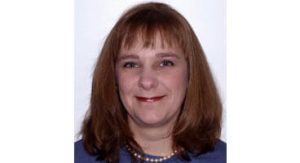 Jennifer Bolander has been serving as a Special Education Specialist for PWSA (USA) since October of 2015. She is a graduate of John Carroll University and lives in Ohio with her husband Brad and daughters Kate (17), and Sophia (13) who was born with PWS.
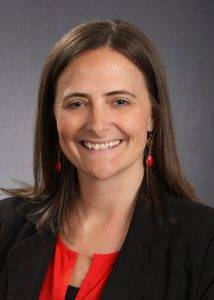 Dr. Amy McTighe is the PWS Program Manager and Inpatient Teacher at the Center for Prader-Willi Syndrome at the Children’s Institute of Pittsburgh. She graduated from Duquesne University receiving her Bachelor’s and Master’s degree in Education with a focus on elementary education, special education, and language arts.
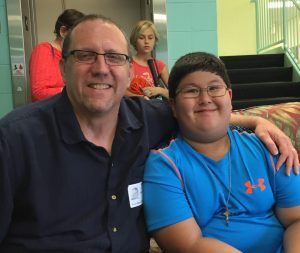 Evan has worked with the Prader-Willi Syndrome Association (USA) since 2007 primarily as a Crisis Intervention and Family Support Counselor. Evans works with parents and schools to foster strong collaborative relationships and appropriate educational environments for students with PWS.
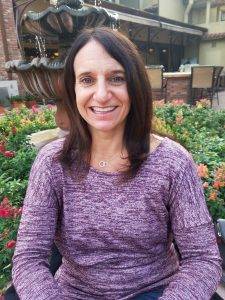 Staci Zimmerman works for Prader-Willi Syndrome Association of Colorado as an Individualized Education Program (IEP) consultant. Staci collaborates with the PWS multi-disciplinary clinic at the Children’s Hospital in Denver supporting families and school districts around the United States with their child’s Individual Educational Plan.
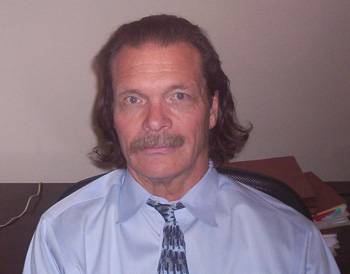 Founded in 2001, SDLC is a non-profit legal services organization dedicated to protecting and advancing the legal rights of people with disabilities throughout the South. It partners with the Southern Poverty Law Center, Protection and Advocacy (P&A) programs, Legal Services Corporations (LSC) and disability organizations on major, systemic disability rights issues involving the Individuals with Disabilities Education Act (IDEA), Americans with Disabilities Act (ADA), and the federal Medicaid Act. Recently in November 2014, Jim retired.