
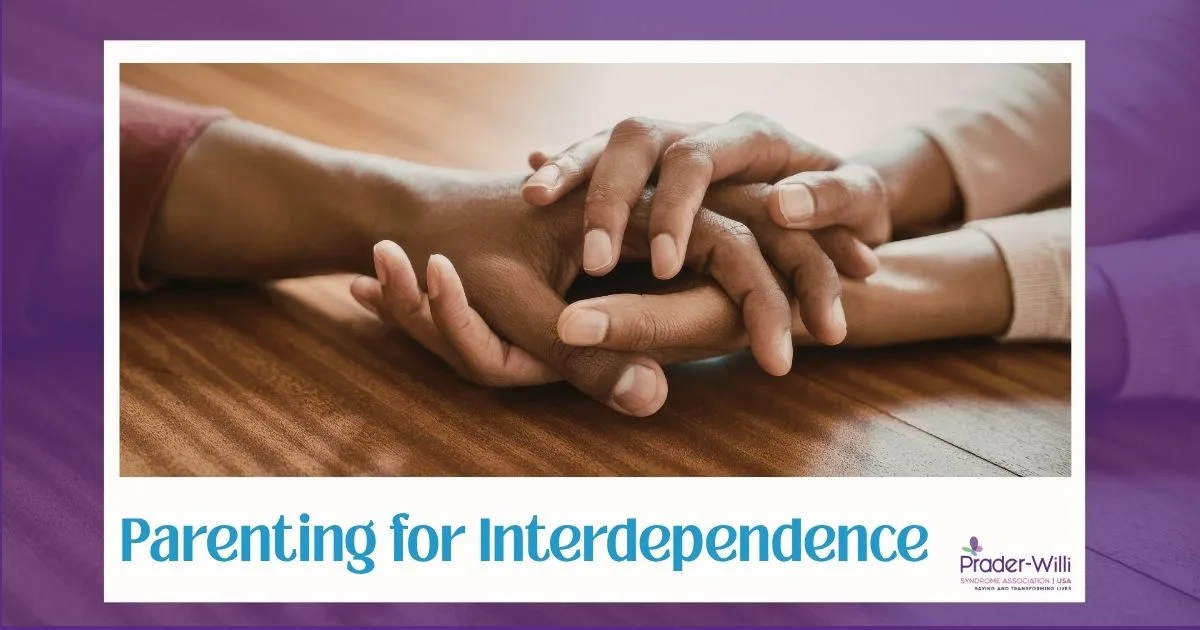
contributed by Anne Fricke, mom to Freya (15, with PWS) and based on information from the 2023 United in Hope PWS Convention presentation, “Parenting for Interdependence” by Amy McDougall, M.S. and Noelle McDougall
I have a 15-year-old daughter with PWS who plans on going to college. She wants to someday live by herself and have a job and friends that she loves. Who am I to stand in the way of that? Of course, it’s not that simple. Because she has PWS, that means all of those experiences and milestones are going to look different than they do for her sisters without PWS. Rather than assume that she won’t be doing these things, I am learning to ask myself, how can she do these things? What supports can we put in place so that she will be successful in living the life she would like to live? Here is where the idea of “interdependence” comes in.
Parenting for Interdependence Presentation
At the 2023 United in Hope PWS Convention, Amy (mom) and Noelle (daughter with PWS) McDougall presented “Parenting for Interdependence.” In their presentation, they defined interdependence as, “The individual with PWS is an active participant in making informed decisions about their future; however, reliant on relational interactions with a guardian for ultimate decision-making responsibility.”
So, the expectation is not that our individuals with PWS will learn how to make big decisions about their future or medical care on their own, but that they have input and some decision-making power with the guidance of parents or trusted caregivers. The reality is, when are individuals without PWS making decisions without input from their network of friends and family? We don’t make decisions in a vacuum.
To help build the foundation for their presentation, they quoted writer, educator, and disability advocate, Mia Mingus, who wrote, “With disability justice, we want to move away from the ‘myth of independence,’ that everyone can and should be able to do everything on their own. I am not fighting for independence, as much of the disability rights movement rallies behind. I am fighting for an interdependence that embraces need and tells the truth: no one does it on their own…” (Changing the Framework: Disability Justice | Leaving Evidence)
Foundation of Interdependence
And therein lies the bulk of the foundation of interdependence, that none of us, disabled or not, does this on our own. So perhaps with that foundation we can find appropriate ways to support our loved ones in living the lives they would like to live within the safe boundaries of their abilities. Maybe their future goals are to have and care for a pet successfully, to live in an apartment with a roommate, or have a job in the community. My daughter wants to attend the University of California Davis, where they have a special program for individuals with intellectual disabilities. The university is 5 hours away, so while I see many challenges to this plan, I’m leaving the option open to her. We’re also having necessary and honest conversations about the support she will need to do so.
Interdependence also involves the ability to make informed decisions about health and medical care. As individuals with PWS, they may face a variety of health concerns. It could be important for some to have control over how those decisions are made. For them to make appropriate decisions, they need help in building those skills. This is also part of interdependence.
Developing Skills for Interdependence
Interdependence is not only about letting your loved one make their own decisions. They also need the skills to do so, and that starts now. As Amy clarified, it is necessary to help build their decision-making capacity, and that is done gradually, with small steps, and geared toward their own developmental abilities.
My daughter, at 15, is able to stay home by herself for a few hours at a time, with the right support in place. We lock the food away and often provide her with a list of appropriate activities. (We also have loud, protective dogs to scare anyone away.) We started small and discussed the important details about not answering the door (as if the dogs would let her) and not taking a shower when we’re gone.
This does not translate to her being able to live alone someday, and I don’t treat it as such. But it does serve two purposes. One, she gets more control of her life and her time and feels independent (which is something she desires). Two, this time also allows me to have more control of my time.
If your loved one can learn the skills to make safe and appropriate decisions, that can take some of the weight off your shoulders. They may not be big decisions, but every one of them can ease your burden, if just a bit. My daughter knows that pizza makes her belly hurt. After years of walking her through those moments where pizza is served (whether for a basketball party or family dinner), her default is now to choose a salad instead. She actually looks forward to those. So even that seemingly small moment, making a good decision about food, eases the stress for me as well.
Interdependence is not about your child someday growing up and being able to make decisions on their own regardless of having PWS but about learning how to be a part of the decision-making process where it is appropriate to their developmental level and feeling empowered to make safe decisions. My daughter has also had decision-making power regarding medical decisions, when it has been appropriate and safe. Ultimately, it was her decision to join Harmony Biosciences’ Pitolisant trial for excessive daytime sleepiness. I gave her the information, discussed some of the important details, and let her have the final say. When it comes to her scoliosis curve, if the doctor says it’s time for surgery because her organs are compromised, that decision-making process will likely look different.
In their presentation, Amy and Noelle shared examples of how they have developed these skills over the years, where the opportunities for teaching these skills are, and parenting strategies for developing an interdependence mindset. Below is a quick guide to those parenting strategies, but we strongly encourage families to watch this presentation to gain a deeper understanding of parenting for interdependence.
Parenting Strategies for Fostering Interdependence:
1. Pairing behavioral choices with potential outcomes in advance.
When there is an opportunity for them to make a choice, explain the outcomes and let them choose.
2. Natural consequences (ask “Did this get you what you wanted?”)
When the consequences are safe, allow them to make the decision and then discuss the outcomes afterward.
3. Model the process.
Walk them through the decision-making process. When there is an opportunity for them to practice making a decision, help them determine the potential outcomes of the choices and notice any critical details to take into account.
4. Allow them to take chances…and fail (only if it is safe).
They say we learn more from our failures than our successes. Whether or not that’s true, there are important lessons learned when we make the wrong decision, lessons that help inform our next opportunity to succeed. Of course, with PWS, we have to be very careful about what those opportunities involve, and their safety should never be at risk.
5. Have honest conversations at their developmental level.
This may mean minimizing details while staying true to the facts. Be sure they have the facts needed to make safe, appropriate decisions.
Wherever your loved one with PWS is developmentally, it might be valuable to ask yourself where you can help them become decisionmakers in their own lives. How can you support them in making appropriate decisions that help them feel more independent and takes a little responsibility off your shoulders? Fostering interdependence can be rewarding for both you and your loved one.
To watch a recording of the presentation on “Parenting for Interdependence” with Amy and Noelle McDougall, please click the button below.
Share this!


 Perry A. Zirkel has written more than 1,500 publications on various aspects of school law, with an emphasis on legal issues in special education. He writes a regular column for NAESP’s Principal magazine and NASP’s Communiqué newsletter, and he did so previously for Phi Delta Kappan and Teaching Exceptional Children.
 Jennifer Bolander has been serving as a Special Education Specialist for PWSA (USA) since October of 2015. She is a graduate of John Carroll University and lives in Ohio with her husband Brad and daughters Kate (17), and Sophia (13) who was born with PWS.
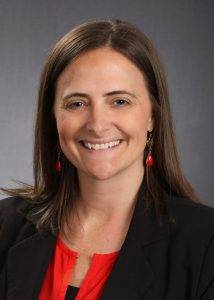 Dr. Amy McTighe is the PWS Program Manager and Inpatient Teacher at the Center for Prader-Willi Syndrome at the Children’s Institute of Pittsburgh. She graduated from Duquesne University receiving her Bachelor’s and Master’s degree in Education with a focus on elementary education, special education, and language arts.
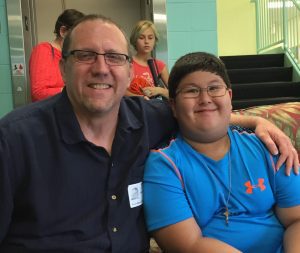 Evan has worked with the Prader-Willi Syndrome Association (USA) since 2007 primarily as a Crisis Intervention and Family Support Counselor. Evans works with parents and schools to foster strong collaborative relationships and appropriate educational environments for students with PWS.
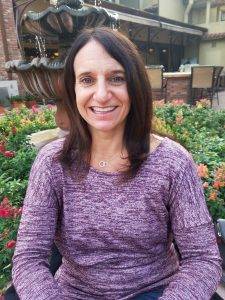 Staci Zimmerman works for Prader-Willi Syndrome Association of Colorado as an Individualized Education Program (IEP) consultant. Staci collaborates with the PWS multi-disciplinary clinic at the Children’s Hospital in Denver supporting families and school districts around the United States with their child’s Individual Educational Plan.
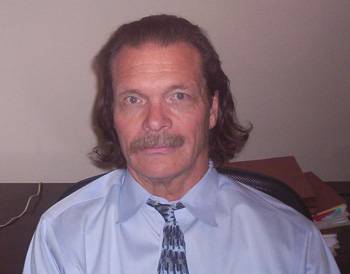 Founded in 2001, SDLC is a non-profit legal services organization dedicated to protecting and advancing the legal rights of people with disabilities throughout the South. It partners with the Southern Poverty Law Center, Protection and Advocacy (P&A) programs, Legal Services Corporations (LSC) and disability organizations on major, systemic disability rights issues involving the Individuals with Disabilities Education Act (IDEA), Americans with Disabilities Act (ADA), and the federal Medicaid Act. Recently in November 2014, Jim retired.