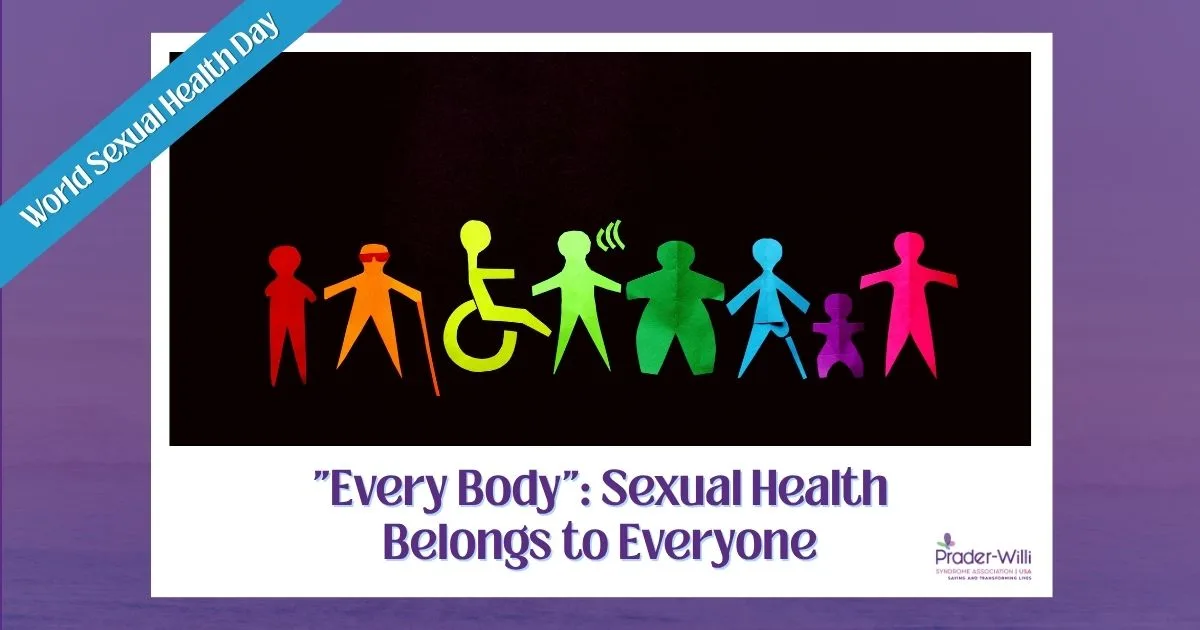
Each year, World Sexual Health Day reminds us that sexual health is about much more than sex. It is about dignity, relationships, belonging, safety, identity, autonomy, and the ability to live a full and meaningful life. The World Association for Sexual Health describes sexual health as a state of physical, emotional, mental, and social well-being related to sexuality, emphasizing that it is a fundamental part of overall health and quality of life. The 2026 theme, “Every Body,” is a powerful reminder that sexual health belongs to everyone, including people with disabilities and those living with Prader-Willi syndrome (PWS).
Unfortunately, conversations about sexuality and relationships are often overlooked when it comes to individuals with intellectual and developmental disabilities. For people with PWS, this silence can create confusion, vulnerability, and missed opportunities for growth. Avoiding the topic does not protect people. Education, support, and open communication do.
What is sexual health?
When people hear the term “sexual health,” they often think only about reproduction or physical intimacy. But for individuals with PWS, sexual health also includes:
- -Understanding friendships and relationships
- -Learning about privacy and boundaries
- -Expressing affection appropriately
- -Developing self-esteem and body awareness
- -Understanding consent and personal choice
- -Staying safe online and in the community
- -Navigating feelings such as attraction, rejection, jealousy, and belonging
Individuals with PWS may experience differences in physical development due to hypothalamic dysfunction and hypogonadism, but those differences do not eliminate the desire for friendship, connection, affection, or romantic relationships. Like everyone else, people with PWS want to feel valued, respected, and loved.
If you’ve met one person with PWS…
…you’ve met one person with PWS. Just as hyperphagia is not experienced the same way by every individual with PWS, neither are sexuality, relationships, or social interests.
Some individuals may have a strong interest in dating and romantic relationships. Others may have little interest at all. Some may struggle with social cues, while others navigate relationships quite successfully. Age, cognitive abilities, life experiences, personal values, culture, family support, and individual personality all influence how sexuality is expressed and understood.
It is important to avoid assumptions. A diagnosis of PWS does not tell us whether someone wants a romantic relationship, how they identify, or what support they may need. Instead, we must approach each person as an individual, listening to their goals and providing support that reflects their unique strengths and challenges.
The Importance of Education
Many families and caregivers worry that talking about sexuality will encourage behaviors they are uncomfortable discussing. In reality, research and experience consistently show the opposite. Education helps reduce confusion and risk.
Without education, individuals may struggle to understand social norms, identify unsafe situations, interpret the intentions of others, or distinguish between public and private behavior. They may seek answers from unreliable sources or learn through difficult experiences.
Teaching sexuality and relationship skills is not about encouraging sexual activity. It is about providing accurate information, developing decision-making skills, and helping individuals safely navigate everyday life. Topics such as consent, boundaries, privacy, healthy relationships, online safety, and self-advocacy are essential life skills.
How to Offer Support
For many individuals with PWS, support needs may include concrete communication, repetition, supervision, and assistance with emotional regulation. The goal should never be to limit opportunities for connection. Instead, the goal is to provide the tools and support necessary to build healthy, meaningful relationships while maintaining safety.
Too often, discussions about sexuality for people with disabilities focus only on risk. While safety is important, a risk-only approach can unintentionally send the message that relationships are dangerous or inappropriate.
A healthier approach recognizes both realities: individuals need protection from exploitation and abuse, and they also deserve opportunities for friendship, intimacy, belonging, and connection. These goals are not mutually exclusive. In fact, they work best together.
What “Every Body” Means
The World Sexual Health Day theme of “Every Body” challenges us to think about whose experiences are included in conversations about sexual health and whose are left out. For individuals with PWS and other developmental disabilities, inclusion means ensuring access to accurate information, supportive relationships, respectful healthcare, and opportunities to make choices about their own lives.
At PWSA | USA, we believe that people with PWS deserve the same opportunities for connection, respect, self-determination, and belonging as anyone else. Sexual health is not a separate issue from quality of life. It is part of what it means to be human.
This World Sexual Health Day, let’s commit to having the conversations that matter. Let’s replace discomfort with education, assumptions with understanding, and fear with support. Most importantly, let’s recognize that individuals with PWS are whole people whose dreams, relationships, identities, and experiences deserve to be acknowledged and respected.
Every person deserves the opportunity to live a life that includes dignity, safety, connection, and belonging. And that includes every body.
Tips for Families Regarding Sexual Health Awareness
Post 1: Don’t Wait for the “Perfect Time”
Many parents worry about when to start conversations about relationships, privacy, and sexuality. The truth is that these discussions work best when they happen gradually over time.
For children and adults with PWS, ongoing, age-appropriate conversations about bodies, boundaries, friendships, and safety can help build understanding and confidence while reducing confusion and vulnerability.
You don’t need one big talk. You need lots of small, supportive conversations.
Post 2: Practice Consent in Everyday Life
Consent isn’t just about romantic relationships. It’s about respect.
Parents can help children and adults with PWS learn consent by modeling it during everyday interactions:
- -Asking permission before hugs
- -Respecting personal space
- -Encouraging self-advocacy
- -Teaching that “no” is a complete answer
When we teach consent early and often, we help build healthy relationships and stronger self-confidence.
Post 3: Teach What Healthy Relationships Look Like
It’s easy to focus on what can go wrong, but our children also need to learn what can go right.
Talk about: Friendship – Trust – Respect – Kindness – Honest communication
People with PWS deserve opportunities for meaningful relationships and connection. Teaching healthy relationship skills is just as important as teaching safety.
Let’s move beyond fear and focus on helping our loved ones build the skills they need to thrive.
Post 4: Make Online Safety Part of the Conversation
For many individuals with PWS, friendships and social connections happen both in person and online.
Help your loved one learn:
-What information should stay private
-How to identify trusted contacts
-When to ask for help
-Red flags like requests for money, secrecy, or private photos
The goal isn’t to create fear. It’s to create knowledge, confidence, and safe opportunities for connection.
When families talk openly about online safety, everyone is better prepared.
Share this!

 Perry A. Zirkel has written more than 1,500 publications on various aspects of school law, with an emphasis on legal issues in special education. He writes a regular column for NAESP’s Principal magazine and NASP’s Communiqué newsletter, and he did so previously for Phi Delta Kappan and Teaching Exceptional Children.
 Jennifer Bolander has been serving as a Special Education Specialist for PWSA (USA) since October of 2015. She is a graduate of John Carroll University and lives in Ohio with her husband Brad and daughters Kate (17), and Sophia (13) who was born with PWS.
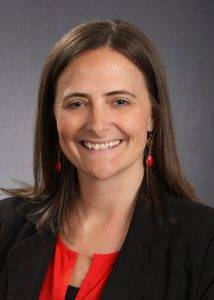 Dr. Amy McTighe is the PWS Program Manager and Inpatient Teacher at the Center for Prader-Willi Syndrome at the Children’s Institute of Pittsburgh. She graduated from Duquesne University receiving her Bachelor’s and Master’s degree in Education with a focus on elementary education, special education, and language arts.
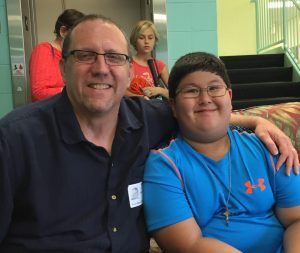 Evan has worked with the Prader-Willi Syndrome Association (USA) since 2007 primarily as a Crisis Intervention and Family Support Counselor. Evans works with parents and schools to foster strong collaborative relationships and appropriate educational environments for students with PWS.
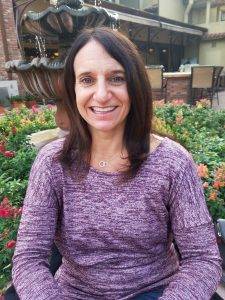 Staci Zimmerman works for Prader-Willi Syndrome Association of Colorado as an Individualized Education Program (IEP) consultant. Staci collaborates with the PWS multi-disciplinary clinic at the Children’s Hospital in Denver supporting families and school districts around the United States with their child’s Individual Educational Plan.
 Founded in 2001, SDLC is a non-profit legal services organization dedicated to protecting and advancing the legal rights of people with disabilities throughout the South. It partners with the Southern Poverty Law Center, Protection and Advocacy (P&A) programs, Legal Services Corporations (LSC) and disability organizations on major, systemic disability rights issues involving the Individuals with Disabilities Education Act (IDEA), Americans with Disabilities Act (ADA), and the federal Medicaid Act. Recently in November 2014, Jim retired.