

contributed by PWS parents Sheri Mills and Jess Kempa
On August 12, three Prader-Willi syndrome (PWS) moms—Jessica Kempa, Jennifer Andrews, and Sheri Mills—came together for an informal virtual conversation about their families’ experiences with excessive daytime sleepiness (EDS).
This was not a medical presentation, research webinar, or official event affiliated with PWSA | USA, FPWR, a pharmaceutical company, or any other organization. It was simply three moms sharing what they have learned through their own experiences and hoping to raise awareness about an often-overlooked aspect of PWS.
“I’ve had so many conversations with other families, and we all acknowledge that our children are sleepy. We sometimes even joke about their tendencies, but at the same time, no one really knows what to do about it.” — Jess Kempa
Their children, ages 6–9, are participating in different stages of the Pitolisant clinical trial, including the in-person TEMPO study and virtual participation through Science 37. EDS can be one of the more overlooked aspects of PWS. While fatigue generally refers to feeling physically or mentally exhausted, excessive daytime sleepiness involves an increased tendency to fall asleep or difficulty staying alert and awake during normal daytime activities. For children with PWS, it can be difficult for families to know when sleepiness is expected and when it is something that deserves further evaluation.
As one physician shared prior to the conversation: “Sleepiness that causes impairment should be addressed. If you are too sleepy to enjoy, engage, or succeed, we can help you.”
The Discussion
The moms shared examples of what they have seen in their own children, including difficulty staying awake or alert at school, needing naps or breaks, struggling to participate in activities, increased tantrums or meltdowns, and simply having difficulty making it through an entire day. Sometimes, a child may push through the school day because they do not want to miss out, only to become extremely tired or irritable once they get home. Others may struggle to keep up during activities such as gym or playground time or may be more prone to accidents or injuries when they are tired. These examples do not mean that a child has EDS. Every child is different, and concerns about sleepiness or changes in behavior should always be discussed with a healthcare provider.
One of the biggest themes of the conversation was that excessive daytime sleepiness can sometimes be dismissed as “just part of PWS.”
The moms shared experiences of raising concerns about daytime sleepiness, having difficulty getting those concerns recognized, or simply not knowing where to turn next.
“Hyperphagia is part of PWS, and we are trying to treat that. Why shouldn’t we be talking about treating daytime sleepiness too?” — Jess Kempa
That is why these conversations matter.
A simple parent-to-parent discussion can help open a larger conversation about something that may not always be easy to recognize, describe, or quantify. Parents and caregivers are often the people who see their child’s day-to-day patterns most clearly. If a child consistently struggles to stay awake, participate in school, complete a full day, or remain engaged in activities they enjoy, it may be worth specifically asking their healthcare provider about excessive daytime sleepiness rather than simply describing the child as “tired.”
Approaches to EDS
Some of the different approaches families may encounter when addressing daytime sleepiness were discussed, ranging from scheduled naps and rest periods to caffeine and medications. Modafinil, Concerta and other stimulant medications, and Pitolisant—which is currently being studied for EDS in PWS—were all mentioned. Medication decisions are highly individual. Every medication can have different benefits, side effects, and risks, which is why having multiple options is important. Families should always discuss treatment options with their healthcare providers.
One point that helped some of the families feel more comfortable considering the Pitolisant trial was knowing that Pitolisant, sold under the brand name WAKIX, has already been FDA-approved for other indications and therefore has several years of real-world use outside of the PWS clinical trial.
“For our family, the trial felt more like just trying another medication. Knowing that Pitolisant was already FDA-approved and being used outside of PWS was very reassuring to us.” — Sheri Mills
The Clinical Trial for Pitolisant
The current PWS study includes a 12-week double-blind phase followed by an open-label phase.
The moms also discussed VYKAT XR and shared that, once a child is on a stable dose, its use may not automatically exclude them from participation because it is now FDA-approved. However, clinical trial eligibility criteria can change, and families should always confirm current requirements directly with the study team.
The moms shared their experiences with the screening and trial process because they know clinical research can feel intimidating, especially for families who have never participated in a clinical trial before.
“The screening questionnaires can be challenging, but it’s important to answer them as honestly and accurately as possible. And it’s okay if your child screens out or if the medication doesn’t work for them—no medication works for everyone. Every success and every setback gives us information that helps move the PWS community forward.”
— Jennifer Andrews
Families who were previously unable to participate may also want to check with the study team about current screening requirements and whether their child may be eligible to be screened again.
The parents also shared a very real concern: the Pitolisant trial needs participants. They do not want to see another potential treatment for the PWS community fail to reach the finish line simply because there are not enough participants to complete the research.
The moms discussed several possible reasons why enrollment has been challenging, including a lack of awareness and understanding of EDS among some medical providers and the reality that, for many PWS families, addressing hyperphagia understandably remains the top priority.
They also discussed the challenges of the screening questionnaires. Because many of the questions are subjective, the wording may not always fully capture or accurately reflect how sleepiness presents in a particular child.
Could Your Child Be Experiencing EDS?
If your child is age 6 or older and some of the experiences described in this conversation sound familiar, consider reaching out to the study team to learn more about eligibility and screening. Families do not necessarily need to come into the process already having an EDS diagnosis. The screening process is designed to help determine whether a child meets the study’s eligibility requirements.
“The push to study Pitolisant in PWS started with PWS moms fighting for another treatment option for their children. Now, I feel like we are helping carry that fight forward by raising awareness and helping this research get to the finish line.” — Jess Kempa
Clinical trials are a critical part of bringing new treatment options to the PWS community. Participation is always a personal family decision, but awareness gives families the opportunity to learn, ask questions, and decide whether participation is right for them.
If you have previously been told that your child’s sleepiness is simply part of PWS, it is okay to continue the conversation. Ask specifically about excessive daytime sleepiness. Talk about how sleepiness affects school, activities, behavior, social interactions, and your child’s ability to participate in and enjoy their day.
Families interested in learning more about the Pitolisant clinical trial can connect directly with the study team and review current trial information and eligibility requirements through LeapCure:
https://lpcur.com/pws-pa-tempo
Learning more or completing an initial screening does not obligate your family to participate. Families should also know that they can withdraw at any point.
Continuing Awareness about EDS
Sometimes, awareness starts with something as simple as three moms sharing what they have experienced—and encouraging other parents to ask questions, share information, and keep the conversation going.
As children with PWS continue through school, the impact of excessive daytime sleepiness may become more noticeable as academic, social, and physical demands increase. These moms are looking forward to continuing the conversation as the new school year gets underway—sharing experiences, discussing what EDS can look like in the classroom, and helping families recognize when sleepiness may be affecting their child’s school day.
We would love to have another zoom to discuss more.
Stay tuned for more details and opportunities to continue the conversation.
Because when sleepiness starts interfering with a child’s ability to learn, play, participate, and enjoy their day, it deserves to be a conversation.
Share this!


 Perry A. Zirkel has written more than 1,500 publications on various aspects of school law, with an emphasis on legal issues in special education. He writes a regular column for NAESP’s Principal magazine and NASP’s Communiqué newsletter, and he did so previously for Phi Delta Kappan and Teaching Exceptional Children.
 Jennifer Bolander has been serving as a Special Education Specialist for PWSA (USA) since October of 2015. She is a graduate of John Carroll University and lives in Ohio with her husband Brad and daughters Kate (17), and Sophia (13) who was born with PWS.
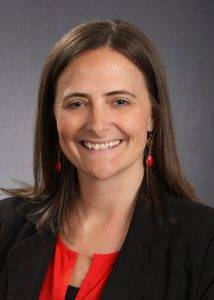 Dr. Amy McTighe is the PWS Program Manager and Inpatient Teacher at the Center for Prader-Willi Syndrome at the Children’s Institute of Pittsburgh. She graduated from Duquesne University receiving her Bachelor’s and Master’s degree in Education with a focus on elementary education, special education, and language arts.
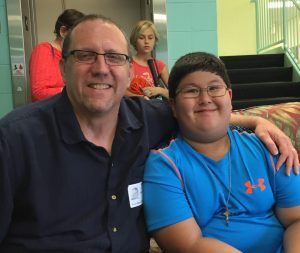 Evan has worked with the Prader-Willi Syndrome Association (USA) since 2007 primarily as a Crisis Intervention and Family Support Counselor. Evans works with parents and schools to foster strong collaborative relationships and appropriate educational environments for students with PWS.
 Staci Zimmerman works for Prader-Willi Syndrome Association of Colorado as an Individualized Education Program (IEP) consultant. Staci collaborates with the PWS multi-disciplinary clinic at the Children’s Hospital in Denver supporting families and school districts around the United States with their child’s Individual Educational Plan.
 Founded in 2001, SDLC is a non-profit legal services organization dedicated to protecting and advancing the legal rights of people with disabilities throughout the South. It partners with the Southern Poverty Law Center, Protection and Advocacy (P&A) programs, Legal Services Corporations (LSC) and disability organizations on major, systemic disability rights issues involving the Individuals with Disabilities Education Act (IDEA), Americans with Disabilities Act (ADA), and the federal Medicaid Act. Recently in November 2014, Jim retired.