Contributed by Emily Felt, mom to Olivia (14, living with PWS)
In the spirit of Children’s Mental Health Week, I’m happy to share an anecdote from my life as a PWS-mom. My daughter Ollie just turned 14 last week, and the big day came with a special celebration with friends and family. In some ways, it was a typical PWS birthday party. Food was negotiated in advance. Appetizers were available, but under control. She’d requested a strawberry birthday cake, but it was a healthy version, and we skipped the frosting. And everyone present had good knowledge of PWS, so the chances were high that it would be a success.
In other ways, the party was ideal for any child, regardless of PWS. Ollie was surrounded by her grandparents, cousins, aunt and uncle, her two best friends from school their mother, the neighbors who employ her to walk their dogs, and the caregiver who works with her after school. Throughout the evening, people popped in to drop off flowers and give her a hug. Text messages and video chats poured in from family living abroad, and her pilates instructor and tutor stopped by to drop off gifts. And that was all before the birthday cake.
Ollie was thrilled to be 14, and it was moving to see so many people rally for her special day. And it wasn’t because I’d set it up that way. Ollie had mostly spread the word and did the inviting herself in the communities she is a part of. Ollie experiences many of the same symptoms that others with PWS face, from food anxiety to constipation to behavioral challenges to scoliosis. But even so, she is thriving overall, in large part thanks to the sense of belonging that she has among her friends, family, caregivers, and community.
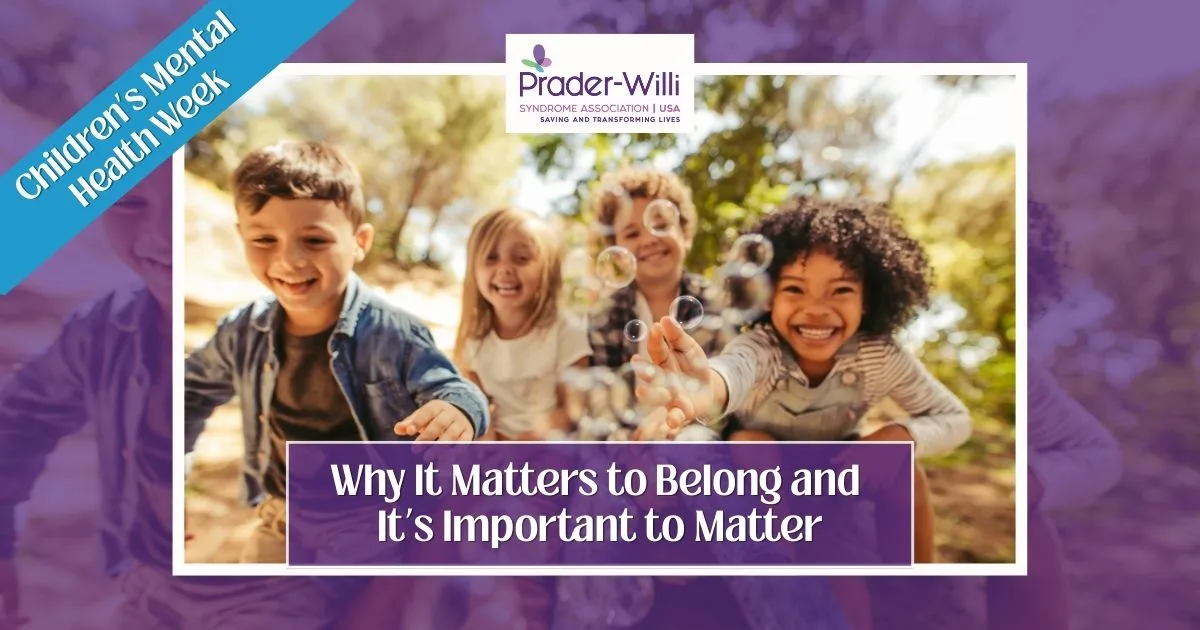
Belonging has been defined as the feeling of being authentically accepted, welcomed, and recognized as a member of a group, such as a classroom, family, or community, without needing to change who you are to be accepted. In psychology research, a sense of belonging has been linked to positive relationships, good mental health, and better physical health. Likewise, the effects of social isolation have been found to be as harmful to health as smoking 15 cigarettes a day. It’s something that’s important to mental health for all of us, including and especially our loved ones with PWS, who face unique challenges when it comes to fitting in.
But belonging is just the beginning. Mattering—which includes both feeling valued and adding value to others—is even more important. It’s not enough for people with PWS to be accepted; they also benefit from bringing their unique contributions to the table and from being of service to others. In his book How People Matter, Isaac Prileltensky suggests that, for those with special needs, mattering involves ensuring they feel attention, feel cared about, and know that others rely on them and appreciate their contributions.
Prileltensky’s framework of mattering relates to psychologist Geoffrey Cohen’s work, which points to ways caregivers can help build a sense of mattering, including “situation crafting”—scaffolding people with special needs as they go through situations, so that they have both a meaningful role and a level of success they can feel proud of. This approach provides support with challenges, but also recognizes the unique value a person brings to a group. It promotes the feelings of confidence and capability that come from getting through difficulties in a positive way and builds memories that support self-esteem.
Those of us in PWS families are well-practiced in situation crafting, as most of our loved ones with PWS require some level of this in order to engage successfully in their schools, workplaces, and communities. Even though PWS may constantly surprise us with new challenges, most of us have learned along the way that people with PWS bring value and have many strengths to share. It is up to us to celebrate them and shape the environments and communities that support our loved ones, which, in turn, contribute to their sense of belonging.
The principles of belonging and mattering are at the heart of PWSA’s work to help those with PWS live full lives. Whether through family support, advocacy, community events, or other activities, our loved ones truly matter in this community. And after ten years living in California’s Central Valley, I’m grateful Ollie feels like she belongs in the place where we live. What I’ve learned from this journey is that we can belong and matter even as we work through the times of stress that PWS inevitably brings. You don’t have to solve the challenges of PWS to reap the benefits of belonging. In fact, mattering helps us get through them healthier and happier.
In other ways, the party was ideal for any child, regardless of PWS. Ollie was surrounded by her grandparents, cousins, aunt and uncle, her two best friends from school their mother, the neighbors who employ her to walk their dogs, and the caregiver who works with her after school. Throughout the evening, people popped in to drop off flowers and give her a hug. Text messages and video chats poured in from family living abroad, and her pilates instructor and tutor stopped by to drop off gifts. And that was all before the birthday cake.
Ollie was thrilled to be 14, and it was moving to see so many people rally for her special day. And it wasn’t because I’d set it up that way. Ollie had mostly spread the word and did the inviting herself in the communities she is a part of. Ollie experiences many of the same symptoms that others with PWS face, from food anxiety to constipation to behavioral challenges to scoliosis. But even so, she is thriving overall, in large part thanks to the sense of belonging that she has among her friends, family, caregivers, and community.
Belonging has been defined as the feeling of being authentically accepted, welcomed, and recognized as a member of a group, such as a classroom, family, or community, without needing to change who you are to be accepted. In psychology research, a sense of belonging has been linked to positive relationships, good mental health, and better physical health. Likewise, the effects of social isolation have been found to be as harmful to health as smoking 15 cigarettes a day. It’s something that’s important to mental health for all of us, including and especially our loved ones with PWS, who face unique challenges when it comes to fitting in.
But belonging is just the beginning. Mattering—which includes both feeling valued and adding value to others—is even more important. It’s not enough for people with PWS to be accepted; they also benefit from bringing their unique contributions to the table and from being of service to others. In his book How People Matter, Isaac Prileltensky suggests that, for those with special needs, mattering involves ensuring they feel attention, feel cared about, and know that others rely on them and appreciate their contributions.
Prileltensky’s framework of mattering relates to psychologist Geoffrey Cohen’s work, which points to ways caregivers can help build a sense of mattering, including “situation crafting”—scaffolding people with special needs as they go through situations, so that they have both a meaningful role and a level of success they can feel proud of. This approach provides support with challenges, but also recognizes the unique value a person brings to a group. It promotes the feelings of confidence and capability that come from getting through difficulties in a positive way and builds memories that support self-esteem.
Those of us in PWS families are well-practiced in situation crafting, as most of our loved ones with PWS require some level of this in order to engage successfully in their schools, workplaces, and communities. Even though PWS may constantly surprise us with new challenges, most of us have learned along the way that people with PWS bring value and have many strengths to share. It is up to us to celebrate them and shape the environments and communities that support our loved ones, which, in turn, contribute to their sense of belonging.
The principles of belonging and mattering are at the heart of PWSA’s work to help those with PWS live full lives. Whether through family support, advocacy, community events, or other activities, our loved ones truly matter in this community. And after ten years living in California’s Central Valley, I’m grateful Ollie feels like she belongs in the place where we live. What I’ve learned from this journey is that we can belong and matter even as we work through the times of stress that PWS inevitably brings. You don’t have to solve the challenges of PWS to reap the benefits of belonging. In fact, mattering helps us get through them healthier and happier.
Share this!

 Perry A. Zirkel has written more than 1,500 publications on various aspects of school law, with an emphasis on legal issues in special education. He writes a regular column for NAESP’s Principal magazine and NASP’s Communiqué newsletter, and he did so previously for Phi Delta Kappan and Teaching Exceptional Children.
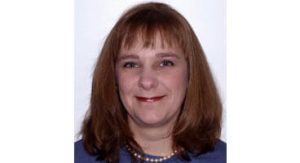 Jennifer Bolander has been serving as a Special Education Specialist for PWSA (USA) since October of 2015. She is a graduate of John Carroll University and lives in Ohio with her husband Brad and daughters Kate (17), and Sophia (13) who was born with PWS.
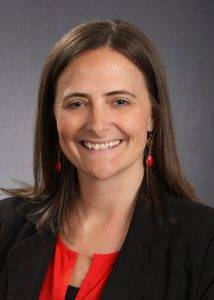 Dr. Amy McTighe is the PWS Program Manager and Inpatient Teacher at the Center for Prader-Willi Syndrome at the Children’s Institute of Pittsburgh. She graduated from Duquesne University receiving her Bachelor’s and Master’s degree in Education with a focus on elementary education, special education, and language arts.
 Evan has worked with the Prader-Willi Syndrome Association (USA) since 2007 primarily as a Crisis Intervention and Family Support Counselor. Evans works with parents and schools to foster strong collaborative relationships and appropriate educational environments for students with PWS.
 Staci Zimmerman works for Prader-Willi Syndrome Association of Colorado as an Individualized Education Program (IEP) consultant. Staci collaborates with the PWS multi-disciplinary clinic at the Children’s Hospital in Denver supporting families and school districts around the United States with their child’s Individual Educational Plan.
 Founded in 2001, SDLC is a non-profit legal services organization dedicated to protecting and advancing the legal rights of people with disabilities throughout the South. It partners with the Southern Poverty Law Center, Protection and Advocacy (P&A) programs, Legal Services Corporations (LSC) and disability organizations on major, systemic disability rights issues involving the Individuals with Disabilities Education Act (IDEA), Americans with Disabilities Act (ADA), and the federal Medicaid Act. Recently in November 2014, Jim retired.