
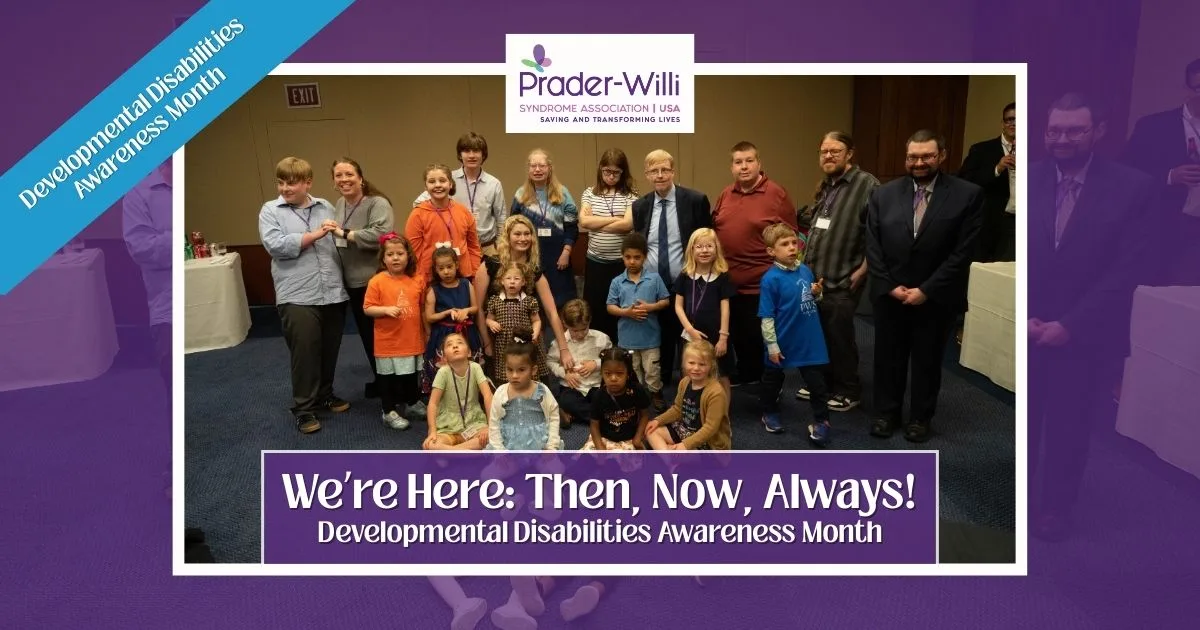
March is Developmental Disabilities Awareness Month!
Developmental disabilities are conditions that begin at birth or in childhood and may affect physical development, learning, language, or behavior. While these conditions can present challenges, they are only one part of a person’s story. Individuals with PWS are first and foremost people, with personalities, talents, preferences, humor, determination, and dreams. As we often say at PWSA | USA: If you’ve met one person with PWS, you’ve met one person with PWS. Each individual’s strengths and support needs are unique.
A diagnosis of PWS can include developmental delays related to low muscle tone, feeding difficulties, speech delays, learning differences, and behavioral challenges. But with early identification and proactive supports, outcomes can be significantly improved. Early interventions such as physical therapy, occupational therapy, speech therapy, and feeding/oral-motor therapy help build strength, coordination, communication skills, and independence from the very beginning.
Some families also explore complementary therapies such as hippotherapy (therapeutic horseback riding), aquatic therapy, music therapy, or reflex integration programs — all focused on helping individuals build confidence, motor skills, and engagement with the world around them.
In school settings, many individuals with PWS benefit from individualized education plans (IEPs), speech-language support, structured learning environments, and social skills interventions. Behavioral supports, including Applied Behavior Analysis (ABA) and other evidence-based strategies, can help individuals develop coping skills, emotional regulation, and positive routines that support success at home and in the community.
This month is not just about awareness — it’s about action:
• Promoting early diagnosis
• Expanding access to specialized care
• Supporting families
• Building inclusive communities
• Advocating for lifelong services
People with PWS are capable of meaningful relationships, employment, creativity, advocacy, and joy. With the right support, high expectations, and inclusive communities, they can thrive.
During National Developmental Disabilities Awareness Month, let’s celebrate abilities, honor individuality, and continue working toward a world where individuals with PWS and all developmental disabilities have access to informed, specialized, and compassionate care throughout the lifespan.
“Disability is a natural part of the human experience.” — Americans with Disabilities Act
“March is Developmental Disabilities Awareness Month, a time to recognize the strengths, contributions, and lived experiences of individuals with developmental disabilities and to recommit ourselves to inclusion, access, and understanding. It’s also an important reminder that awareness is not just about visibility, but about listening, learning, and creating systems that truly support people and families across the lifespan.
I’m continually inspired by the resilience of individuals with disabilities and the dedication of caregivers, advocates, clinicians, and community partners who show up every day with heart and purpose. This month, and always, I’m grateful to be part of a community that believes in equity, dignity, and the power of belonging and that knows awareness is only the beginning of meaningful action.” – Stacy Ward, CEO of PWSA | USA
The theme for this year’s Developmental Disabilities Awareness Month is We’re Here: Then, Now, Always! This campaign is organized by the National Association of Councils on Developmental Disabilities and encourages all of us to acknowledge and celebrate the presence of individuals with disabilities in our communities, from our foundation to our future.
“People with intellectual and developmental disabilities have always been here — part of the fabric of our nation — even when systems kept them out of sight and out of community life,” said Jill Jacobs, Executive Director of the National Association of Councils on Developmental Disabilities. “This month is not about awareness as a one-time event. It’s a reminder that people with IDD are always here, and that all of us have a responsibility to keep learning, engaging, and building communities where everyone belongs – every day of the year.”
To learn more about Developmental Disabilities Month and the National Association of Councils on Developmental Disabilities, please visit 2026 DD Awareness Month: We’re Here: Then, Now, Always. – NACDD
Share this!



 Perry A. Zirkel has written more than 1,500 publications on various aspects of school law, with an emphasis on legal issues in special education. He writes a regular column for NAESP’s Principal magazine and NASP’s Communiqué newsletter, and he did so previously for Phi Delta Kappan and Teaching Exceptional Children.
 Jennifer Bolander has been serving as a Special Education Specialist for PWSA (USA) since October of 2015. She is a graduate of John Carroll University and lives in Ohio with her husband Brad and daughters Kate (17), and Sophia (13) who was born with PWS.
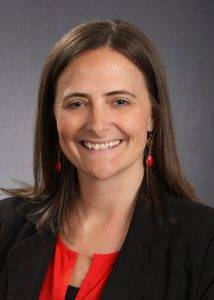 Dr. Amy McTighe is the PWS Program Manager and Inpatient Teacher at the Center for Prader-Willi Syndrome at the Children’s Institute of Pittsburgh. She graduated from Duquesne University receiving her Bachelor’s and Master’s degree in Education with a focus on elementary education, special education, and language arts.
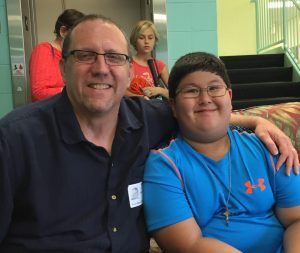 Evan has worked with the Prader-Willi Syndrome Association (USA) since 2007 primarily as a Crisis Intervention and Family Support Counselor. Evans works with parents and schools to foster strong collaborative relationships and appropriate educational environments for students with PWS.
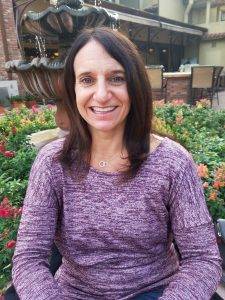 Staci Zimmerman works for Prader-Willi Syndrome Association of Colorado as an Individualized Education Program (IEP) consultant. Staci collaborates with the PWS multi-disciplinary clinic at the Children’s Hospital in Denver supporting families and school districts around the United States with their child’s Individual Educational Plan.
 Founded in 2001, SDLC is a non-profit legal services organization dedicated to protecting and advancing the legal rights of people with disabilities throughout the South. It partners with the Southern Poverty Law Center, Protection and Advocacy (P&A) programs, Legal Services Corporations (LSC) and disability organizations on major, systemic disability rights issues involving the Individuals with Disabilities Education Act (IDEA), Americans with Disabilities Act (ADA), and the federal Medicaid Act. Recently in November 2014, Jim retired.