
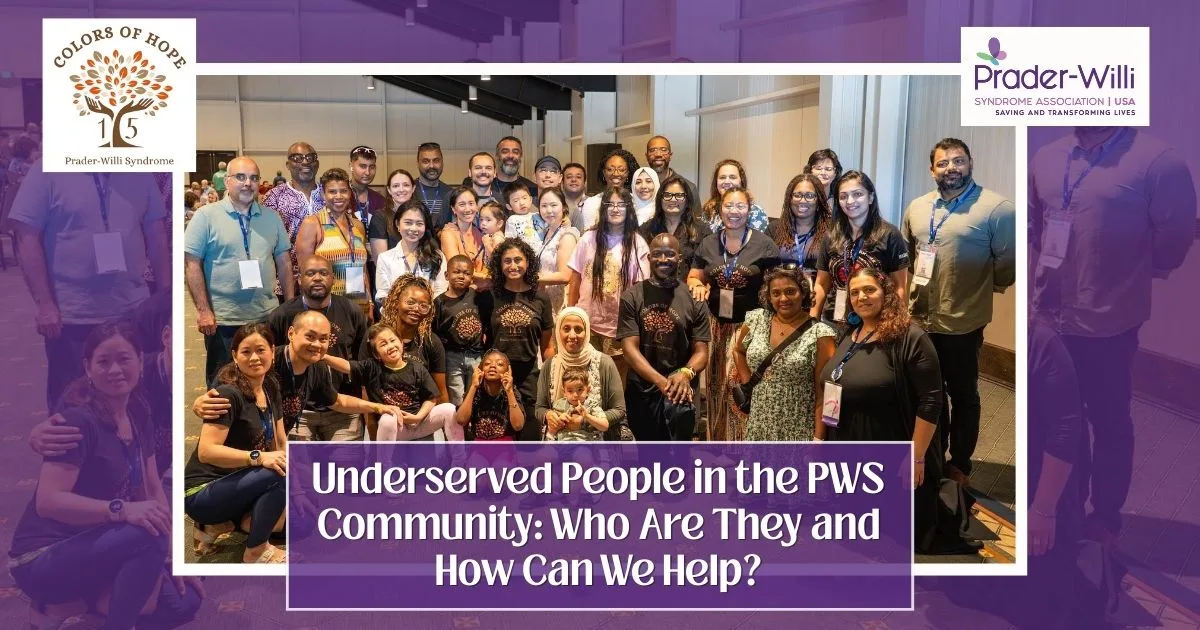
Contributed by Anne Fricke, mom to Freya (14, living with PWS)
I remember when I really began to grasp the concept of intersectionality, though I didn’t have a word for it then. It was years ago in an interview with a special education teacher talking about the school to prison pipeline that affects disabled students of color. Until then, I had somehow thought that being in the disability community erased other forms of systemic inequities and racism and that we were all in the same boat so to speak. That my blonde haired, blue-eyed daughter with PWS had a similar path and faced the same obstacles as a child of color with PWS. My ignorance was serving no one, as ignorance rarely does.
In the last two years, a group has formed in our community that seeks to fill those gaps in knowledge and provide education and support. The Colors of Hope BIPOC (Black, Indigenous, People of Color) Affinity Group, made up of families and caregivers from a variety of backgrounds, is growing and gaining momentum in their outreach. Their growth not only serves the communities they come from, but also the overall PWS community as well. With a deeper and broader understanding of how PWS affects individuals and families from all backgrounds, we can better treat, support, and serve those living in our community. If these understandings and insights ripple out as compassion to those outside of the PWS community, even better.
Recently, Colors of Hope group members held a webinar to share the insights from listening sessions they conducted with caregivers and families of color in the PWS community. This webinar led with the recognition that systemic racial and ethnic inequities exist worldwide and sought to represent how these inequities are showing up in our PWS community, not simply for the recognition of the inequities, but to find a way toward solutions that support the community.

People and Research
Representation, woven through the topics, was shown to be a prevalent and foundational obstacle that individuals of color with PWS face. Doctors, specialists, and nurses, who likely are already under-educated about PWS, are shown and taught images and case studies of PWS in white patients, aiding in the statistically late diagnosis for individuals of color. Outreach is also an issue, leading to continued low representation. The Global PWS Registry, an incredible tool for understanding PWS, has a low count of data from individuals of color. Conferences and public events are statistically poorly attended. The BIPOC community is not proportionately participating in clinical trials. This could stem from trials not considering needs of people of color, or a historical lack of trust in research (check out the Tuskegee Experiment for one example of why: Tuskegee Experiment: The Infamous Syphilis Study | HISTORY). Organizations that want to include families of color in their events should work with those communities to find ways of outreach that will be effective.
Community Connections
This section first looks at the strengths and values of the BIPOC communities: families, culture, shared experiences, and time spent together. They also recognize the challenges that a PWS diagnosis brings as far as family and cultural events involving food, and that nutritional guidance for PWS likely does not line up with culturally held norms. This causes undue stress and potential isolation. Some caregivers emphasized that the PWS community feels like a “white space,” with information, materials, and events lacking culturally relevant or diverse resources. One of the calls for action is for allies in the community, those who are in rooms and at tables where people of color may not be, to be aware of and advocate for the representation of marginalized communities, an action that I see growing in the PWS organizations.
Healthcare Systems
Caregivers discussed the repeated occurrence of having to strongly advocate for their loved one, experiences of being dismissed, not believed, or treated rudely. There is also a lack of representation of people of color amongst medical professionals, a situation that feeds the prevalent challenge of provider implicit bias. Solutions suggested included provider education and awareness learning opportunities, self-advocacy training for patients and caregivers, and campaigning at diverse medical campuses for PWS research.
Policy Programs
In the listening sessions, the team determined that existing supports are not known, accessible, or relevant to the families in the BIPOC community. Peer mentors of color are not common enough, and schools are likely to be unaware or unconcerned of their biases of students of color. BIPOC families face the same struggles to receive services as many white families, but they must also navigate the biases and presumptions of racist or uneducated teachers and administrators. They noted the strong need for trainings for educators and administrators to understand their biases, for advocates on how to identify these biases in IEP meetings, and for all members and volunteers of PWS support organizations on how to recognize the challenges marginalized communities face and how to be inclusive in thought and action in providing support to the entire PWS community.
The Path Forward
These takeaways are a small overview of a large and long-standing system of inequity in the medical community. I strongly encourage everyone in the PWS community to read the entire report. Not only does it target and describe the challenges faced by families and individuals of color in the PWS community, perhaps more importantly, it directs us to a path forward, as a community. This is not only the work of families of color or of medical providers, researchers, and organizations; this is the work of everyone in this community. This is our call to become educated and aware, to look around and ask ourselves and each other, who is missing, who needs to be invited in.
Please use the buttons below to read the full report and visit the Colors of Hope website to learn more.
Share this!


 Perry A. Zirkel has written more than 1,500 publications on various aspects of school law, with an emphasis on legal issues in special education. He writes a regular column for NAESP’s Principal magazine and NASP’s Communiqué newsletter, and he did so previously for Phi Delta Kappan and Teaching Exceptional Children.
 Jennifer Bolander has been serving as a Special Education Specialist for PWSA (USA) since October of 2015. She is a graduate of John Carroll University and lives in Ohio with her husband Brad and daughters Kate (17), and Sophia (13) who was born with PWS.
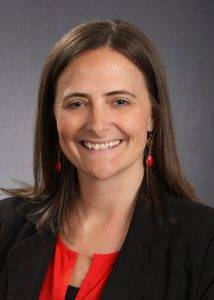 Dr. Amy McTighe is the PWS Program Manager and Inpatient Teacher at the Center for Prader-Willi Syndrome at the Children’s Institute of Pittsburgh. She graduated from Duquesne University receiving her Bachelor’s and Master’s degree in Education with a focus on elementary education, special education, and language arts.
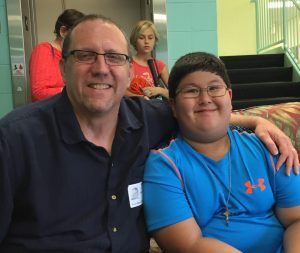 Evan has worked with the Prader-Willi Syndrome Association (USA) since 2007 primarily as a Crisis Intervention and Family Support Counselor. Evans works with parents and schools to foster strong collaborative relationships and appropriate educational environments for students with PWS.
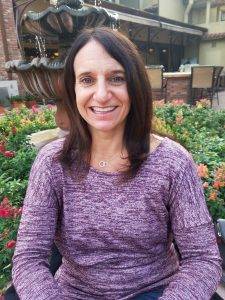 Staci Zimmerman works for Prader-Willi Syndrome Association of Colorado as an Individualized Education Program (IEP) consultant. Staci collaborates with the PWS multi-disciplinary clinic at the Children’s Hospital in Denver supporting families and school districts around the United States with their child’s Individual Educational Plan.
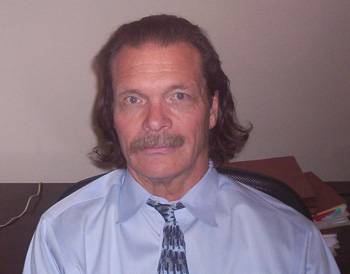 Founded in 2001, SDLC is a non-profit legal services organization dedicated to protecting and advancing the legal rights of people with disabilities throughout the South. It partners with the Southern Poverty Law Center, Protection and Advocacy (P&A) programs, Legal Services Corporations (LSC) and disability organizations on major, systemic disability rights issues involving the Individuals with Disabilities Education Act (IDEA), Americans with Disabilities Act (ADA), and the federal Medicaid Act. Recently in November 2014, Jim retired.