
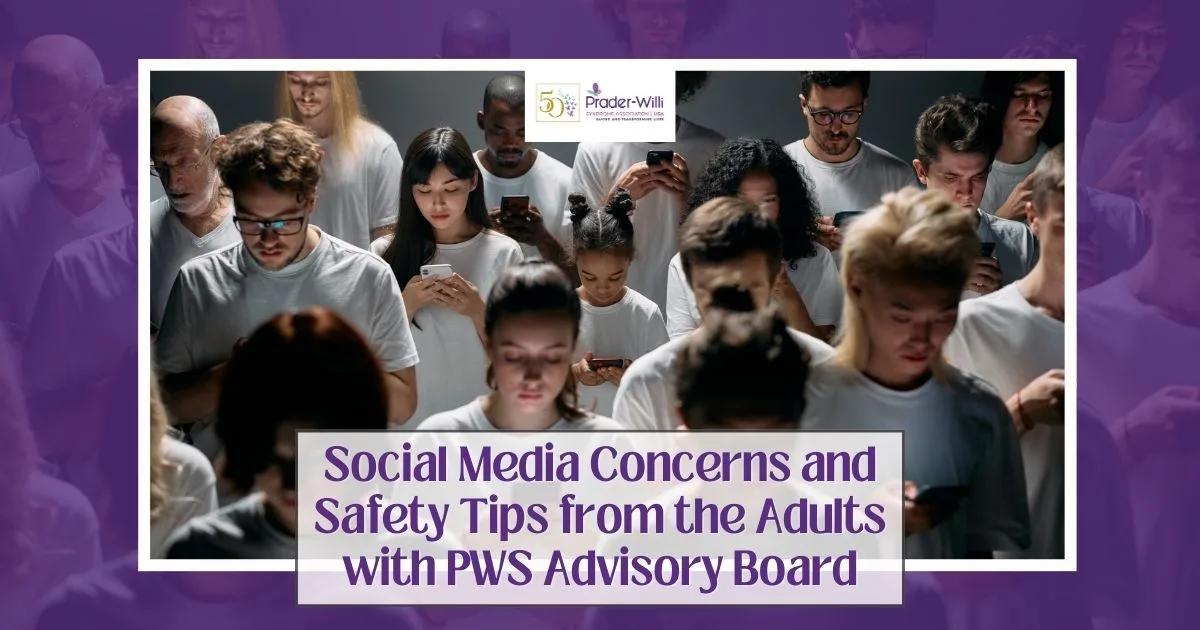
Submitted by Conor Heybach, adult living with PWS
Hello, this is Conor Heybach from the Adults with PWS Advisory Board. I want to talk about a dilemma that has become a major pandemic in our lives. I will explain the dangers of pornography and social media in teens and adults with PWS. Excessive use of online social platforms causes mental health problems. Social media, if not used responsibly, can be extremely dangerous.
The internet has streams of content pouring out on social media which can be extremely unhealthy. These social media platforms are easily accessible on smart phones and tablets. The constant stream of content may cause feelings of low self-esteem by causing you to compare your life to someone else. Social media is so addictive that it will cause unhealthy sleep patterns. Exposure to images on social media is a huge problem particularly among teenage girls. Social media platforms like Facebook, Yubo, Meet Me, KIK, Instagram, Snapchat and many other dating apps are easy places for cyberbullying. These platforms make it easy for pornographic images to be distributed, content that will be detrimental to teens and adults with PWS. These platforms provide online harassment, trolling and malicious attacks. These apps make it easy for sexting which will cause unhealthy relationships that may be extremely confusing for some teens and adults with PWS. The harmful content including sexual content and risky viral challenges found on TikTok may lead someone to commit suicide. Social media is extremely addicting, and it will decrease a person’s physical activity which will be detrimental to individuals with PWS.
Excessive use of social media and online interactions will decrease one’s face-to-face communication skills out in the real world. It causes people to struggle with having real relationships between people. Invasion of privacy has become a huge problem across social media platforms. Every comment you post online leaves a digital footprint that stays on the internet forever which can be stolen by malicious hackers. Any personal information like location, relationship status, and financial information can be stolen by hackers and may cause your Identity to be stolen.
Here are some tips on how to use social media responsibly:
- 1. You are in control of what online content you post. Recognize which content is unhealthy and report it. Find healthy ways to use social media that you are passionate about. Always promote your best self and use social media platforms to self-advocate about PWS and other disabilities.
- 2. Research apps before using them. TikTok is very addictive but be aware that tik TikTok steals your data. Be aware of the content you are viewing, and the dangers it may be asking you to do.
- 3. Focus on social media content that you enjoy to avoid overdoing it. Think twice about what you decide to post on your social media feed.
- 4. Remember to always be responsible for the content you post and be aware of the content your family and friends post. Encourage your family and friends to use social media responsibly.
- 5. Follow your friends and family on social media. Do not follow any strangers.
- 6. The hours you spend on social media may be mind boggling. Check your settings from time to time and look to see how much time is spent on your phone or your other electronic devices.
- 7. Remind yourself that whatever you post online is not private. Train yourself on how to use social media responsibly. Discuss with yourself, friends, and family members about the content first before it is being posted anywhere on social media.
- 8. Become a PWS Advocate. Be an example for the PWS community.
More Social Media Safety Tips from the Adults with PWS Advisory Board:
Social Media helps me stay connected with friends, family and others. I like being on social media for those reasons. Things that have worked are:
To not communicate online with someone you do not know. Sometimes it is hard to know if the person who friend requests you is really someone you know, so my sister pays attention to what I am doing online and this helps.
My Mom has taught me to only speak to friends that I really know and not someone that I am not friends with. If someone friend requests me, I ask my Mom or sister to look at it to make sure it is a friend or someone I do know. I don’t always like this, but it is safer for me.
Boundaries that are important is that I never send pictures without permission and NEVER send bad pictures to anyone ever.
–Victor Penta
Learning what is a scam and not, learning what to post and not, no posting private information, cyberbullying, and learning how to be safe on the internet. Make sure your son and daughter know how to be safe on social media.
–Abbott Philson
Share this!




 Perry A. Zirkel has written more than 1,500 publications on various aspects of school law, with an emphasis on legal issues in special education. He writes a regular column for NAESP’s Principal magazine and NASP’s Communiqué newsletter, and he did so previously for Phi Delta Kappan and Teaching Exceptional Children.
 Jennifer Bolander has been serving as a Special Education Specialist for PWSA (USA) since October of 2015. She is a graduate of John Carroll University and lives in Ohio with her husband Brad and daughters Kate (17), and Sophia (13) who was born with PWS.
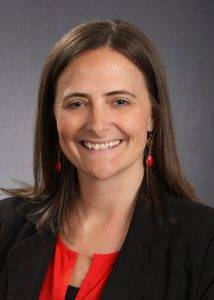 Dr. Amy McTighe is the PWS Program Manager and Inpatient Teacher at the Center for Prader-Willi Syndrome at the Children’s Institute of Pittsburgh. She graduated from Duquesne University receiving her Bachelor’s and Master’s degree in Education with a focus on elementary education, special education, and language arts.
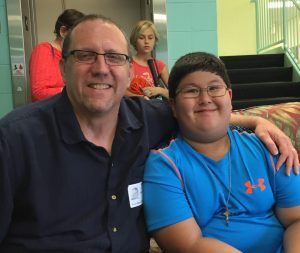 Evan has worked with the Prader-Willi Syndrome Association (USA) since 2007 primarily as a Crisis Intervention and Family Support Counselor. Evans works with parents and schools to foster strong collaborative relationships and appropriate educational environments for students with PWS.
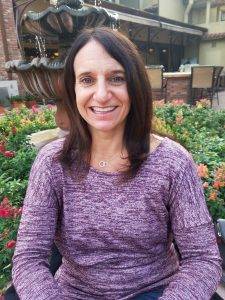 Staci Zimmerman works for Prader-Willi Syndrome Association of Colorado as an Individualized Education Program (IEP) consultant. Staci collaborates with the PWS multi-disciplinary clinic at the Children’s Hospital in Denver supporting families and school districts around the United States with their child’s Individual Educational Plan.
 Founded in 2001, SDLC is a non-profit legal services organization dedicated to protecting and advancing the legal rights of people with disabilities throughout the South. It partners with the Southern Poverty Law Center, Protection and Advocacy (P&A) programs, Legal Services Corporations (LSC) and disability organizations on major, systemic disability rights issues involving the Individuals with Disabilities Education Act (IDEA), Americans with Disabilities Act (ADA), and the federal Medicaid Act. Recently in November 2014, Jim retired.