
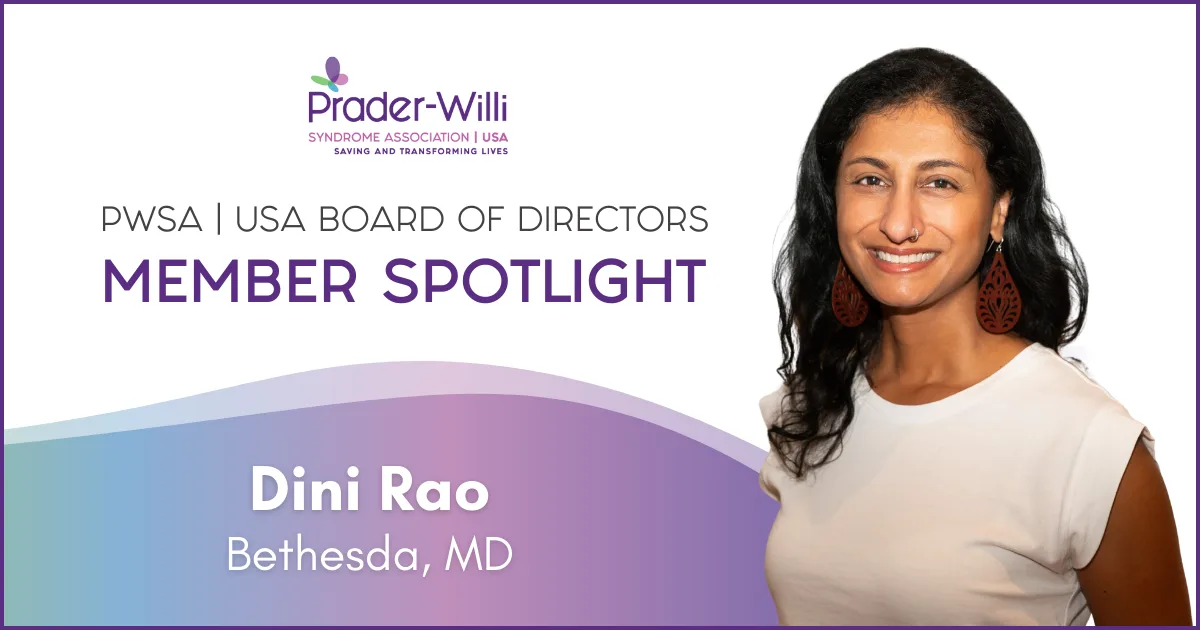
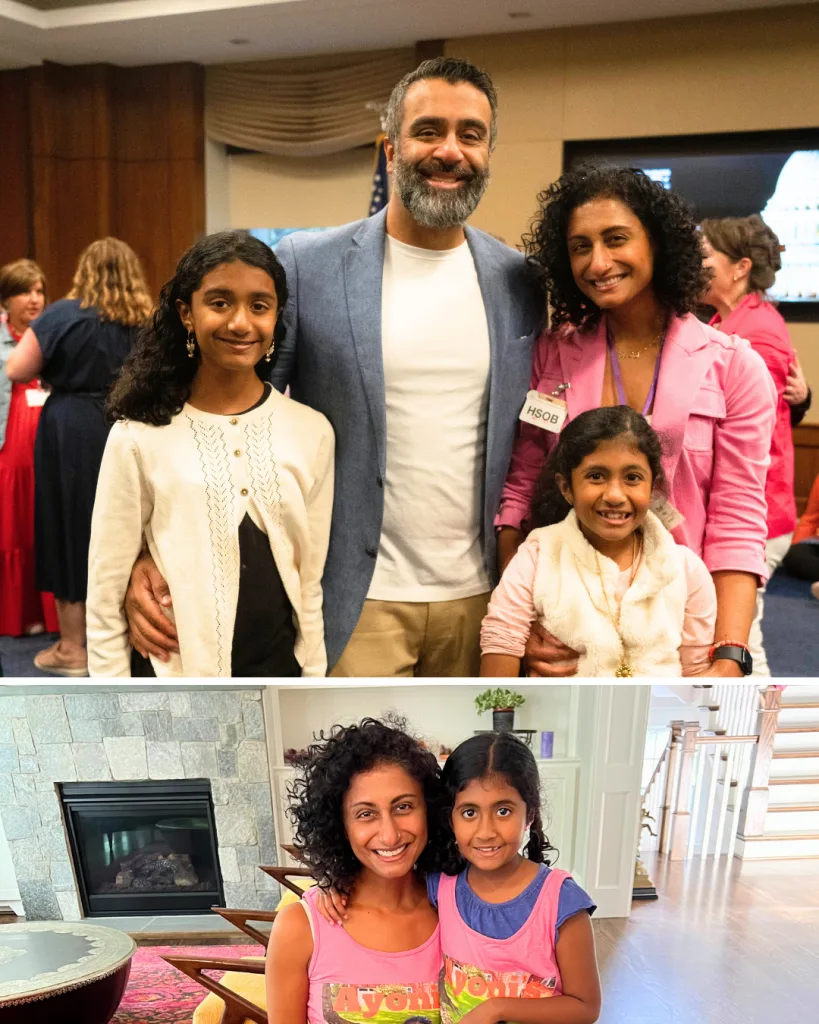
Board of Directors Member: Dini Rao
Board Role: Chair of the Equity Committee
Years on the Board: Zero – I just joined!
Q: What first connected you to the Prader-Willi syndrome community, and what inspired you to join the PWSA | USA Board of Directors?
A: My daughter Ayoni was diagnosed with PWS during the Covid pandemic, so there was a virtual conference that year. That conference saved us, as it was the first time we got guidance from national experts and felt like things would be ok. During that conference and in the break-out groups, I noticed that I didn’t see many people of color.
That started my five year inquiry into why there weren’t more people of color represented, how that tied into my daughter’s late diagnosis and also how many other families out there needed more support. I decided that one way to have the wonderful support services of PWSA | USA be more available would be to join the board and start an Equity initiative to promote better health outcomes for all people and families facing PWS.
Q: What do you find most meaningful about serving on the Board, and what excites you most about the work ahead?
A: When I hear from a family that was previously isolated and without hope or camaraderie and I see the difference we make, it means the world. I am encouraged by the Board’s openness about engaging in this work. I am the only person of color on the Board currently and that has its challenges, so I am grateful for the respectful partnership that we are creating. I am excited about how our community will grow in numbers and strength!
Q: Please share a bit about your professional background and how it supports your role on the Board.
A: Along with being a PWS peer mentor and advocate, I’m a community organizer with the tools of Undoing Racism and a wine entrepreneur. I’ve hosted wine tastings for British royalty, celebrities and even a private dinner at Julia Child’s house, so now I use my hosting skills for PWS fundraisers. Seeing a gap in health outcomes for people living with Prader-Willi syndrome, I created a taskforce to work with stakeholders on creating better equity and co-founded an affinity group for families of color called “Colors of Hope.” After serving on several other boards and equity committees, I aim to use my organizing skills along with my Harvard MBA to create more justice and joy in our world.
Q: Outside of your Board work, how do you enjoy spending your free time?
A: Of course, I love wine, and alongside it, I love cooking with my husband Anju, traveling, walking with friends, hosting parties, snuggling with my girls and dog, lifting weights and reading.
Q: Where do you currently live, and what do you enjoy most about your community?
A: We live in Bethesda, MD just outside of DC and I love the many people here who are trying to do good. Our attention is often (and needs to be) on the bad actors and I am consistently moved by the wonderful people I meet who are doing brilliant, meaningful things.
Q: Please tell us a little about your family or the people who are most important in your life.
A: I have a big, beautiful Indian family that is full of love, noise and food. My biggest support in life is my husband Anju, a few dear friends, and my two kids are pretty awesome, too.
Q: What inspires or motivates you – personally or professionally?
A: My kids and the world’s children inspire me daily. I see so much creativity, innocence and humor in their actions that I must keep going. Both my kids have already faced so much and when they keep their smiles and their drive, who am I to lose faith?
Q: Share one fun or unexpected fact about yourself.
A: I LOVE to ride and scream on roller coasters – the steeper and faster, the better! Sometimes I go to amusement parks by myself to ride and let off steam.
Q: What is your hope for the future of PWSA | USA and the PWS community?
A: I’d like to see a day when there are no more lasts – no more last diagnosed, no more last treated. I want to see an end to racial, ethnic, religious and other disparities in Prader-Willi syndrome by accelerating equitable diagnosis, access to evidence-based care, and inclusion in research—so no community is left last.
Share this!




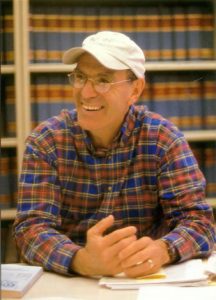 Perry A. Zirkel has written more than 1,500 publications on various aspects of school law, with an emphasis on legal issues in special education. He writes a regular column for NAESP’s Principal magazine and NASP’s Communiqué newsletter, and he did so previously for Phi Delta Kappan and Teaching Exceptional Children.
 Jennifer Bolander has been serving as a Special Education Specialist for PWSA (USA) since October of 2015. She is a graduate of John Carroll University and lives in Ohio with her husband Brad and daughters Kate (17), and Sophia (13) who was born with PWS.
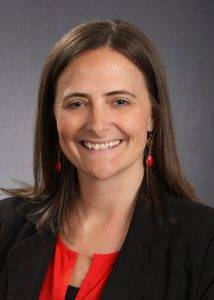 Dr. Amy McTighe is the PWS Program Manager and Inpatient Teacher at the Center for Prader-Willi Syndrome at the Children’s Institute of Pittsburgh. She graduated from Duquesne University receiving her Bachelor’s and Master’s degree in Education with a focus on elementary education, special education, and language arts.
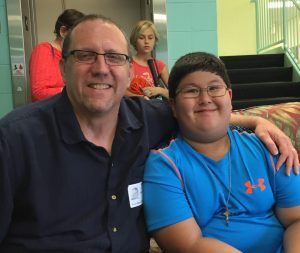 Evan has worked with the Prader-Willi Syndrome Association (USA) since 2007 primarily as a Crisis Intervention and Family Support Counselor. Evans works with parents and schools to foster strong collaborative relationships and appropriate educational environments for students with PWS.
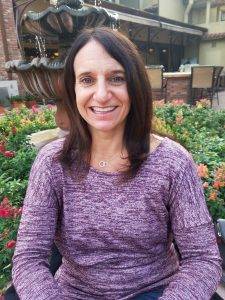 Staci Zimmerman works for Prader-Willi Syndrome Association of Colorado as an Individualized Education Program (IEP) consultant. Staci collaborates with the PWS multi-disciplinary clinic at the Children’s Hospital in Denver supporting families and school districts around the United States with their child’s Individual Educational Plan.
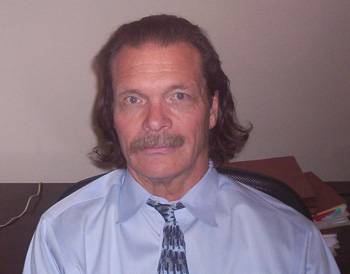 Founded in 2001, SDLC is a non-profit legal services organization dedicated to protecting and advancing the legal rights of people with disabilities throughout the South. It partners with the Southern Poverty Law Center, Protection and Advocacy (P&A) programs, Legal Services Corporations (LSC) and disability organizations on major, systemic disability rights issues involving the Individuals with Disabilities Education Act (IDEA), Americans with Disabilities Act (ADA), and the federal Medicaid Act. Recently in November 2014, Jim retired.