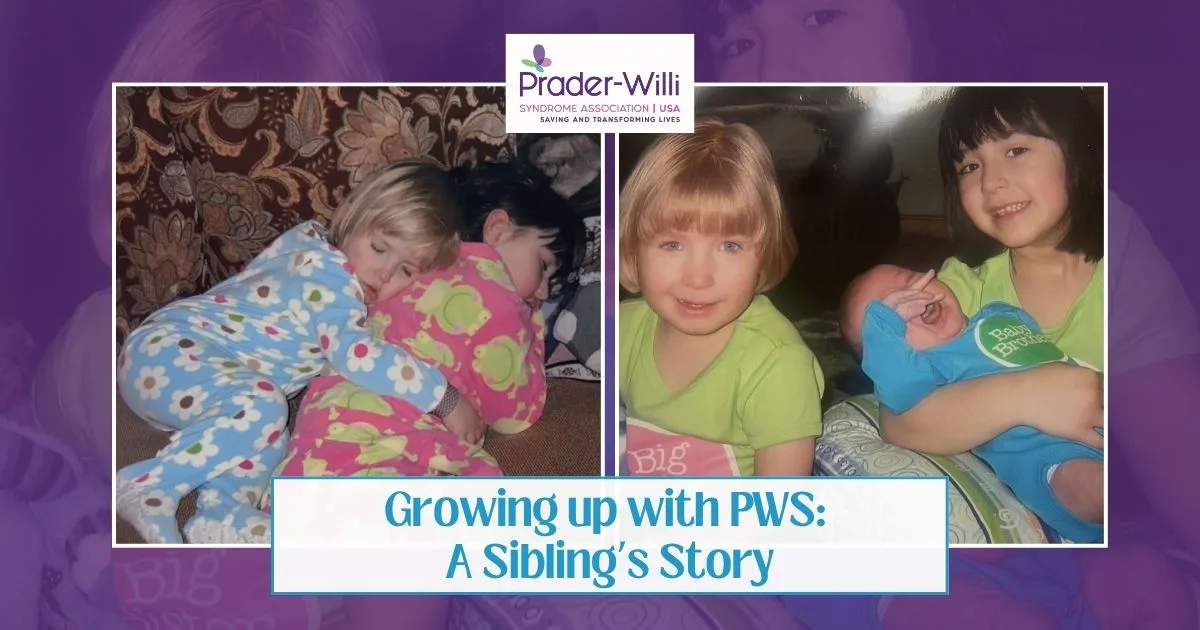
Contributed by Hannah Kellerman, sibling to Audrey who passed away from complications of PWS in 2024.
I first heard the words Prader-Willi Syndrome when I was three years old. I didn’t understand what those words had meant at the time; I was just so excited to have a new baby sister. Now, eighteen years later, the acronym PWS embodies a story that I feel is ready to be told. My name is Hannah, and my connection to the PWS community began not only with my sister’s birth, but with the role I grew into as her sibling and advocate.
When I describe my sister, Audrey, I start with her bright blue eyes, a smile that could light up any room she entered, and a contagious laugh that you couldn’t help but join in on. She had an incredible memory that never ceased to amaze us. But that is just the tip of the iceberg. She was caring, loving, funny, resilient, gentle, and smart. She could also be stubborn, anxious when plans changed unexpectedly, and very picky. Yet, all these qualities, the ones that made life smooth and the ones that challenged us, shaped her into a truly one-of-a-kind person. Our family consists of my mom and dad, me (21), my sister (17), and my brother (16). We are a very sports-oriented family; we are entertained by watching football and hockey or playing sports ourselves. Growing up, Audrey participated in swim lessons (she absolutely loved the pool), dance classes, and enjoyed summer camps, notably at the Latham Center in Brewster, Massachusetts, where she thrived. At home, she enjoyed playing board games, caring for her baby dolls, and singing songs. She had this obsession. She would twirl surgical gloves and beads in her hands for hours on end; it brought her such joy and calmness. But beyond the type of person she was and what she enjoyed, growing up with a sibling with PWS meant learning lessons. Lessons that can only be taught through experience. Lessons no classroom or book could ever teach me.
Childhood for me looked a little different from my peers, but it’s a life that shaped me into the person I am today. Outside of the house, my life appeared normal. I participated in extracurricular activities, had friends, and went through the typical milestones of growing up. But beneath the surface, I carried a silent anxiety that I masked very well. Growing up with a sibling with PWS looks different for everyone. For me, it was challenging in ways I didn’t always know how to express. I didn’t tell many people about my sister until high school, and even then, only my closest friends knew. I had seen through day-to-day life, at school, during outings, on social media, how some people treated individuals with special needs. I was apprehensive of how my friends might react. Would they see her the way I did? To this day, I’m grateful that every friend who had the opportunity to meet Audrey adored and treated her like one of their own.
Inside the house, the dynamic was vastly different. I became stressed, overwhelmed, and frustrated very quickly, which strained my relationship with my parents for a good portion of my life. My parents have always been deeply involved in my life, but growing up, a lot of their attention was devoted to Audrey. As a result, I became very independent and self-reliant, often processing things internally. It’s not my parents’ fault; that’s what worked for me. I gradually took on the role of caregiver for my sister to help support my parents. It started small, turning physical therapy into a fun game to keep her engaged and motivated. By high school, I was de-escalating outbursts and learning to understand what she was trying to express when words failed her. Our household followed routines that looked very different from my peers’, particularly around mealtimes. There was always a meal schedule posted on the fridge, and many of our meals were eaten separately because Audrey needed to follow a specific caloric plan. If my brother or I were hungry between meals, we had to wait until Audrey wasn’t around to even discuss or grab a snack. I decided not to be involved in the food portion of caretaking, but I couldn’t help but judge my parents’ choices. In my teenage mind, I thought, “Why isn’t my sister healthy? How hard could it be to give her low-calorie options and stick to her meal plans?” But now that I’m older, I understand that managing the food component is the toughest challenge of this disease, not just logistically, but emotionally for everyone involved.
The most difficult challenge I personally faced was expressing my emotions about having a special needs sister. One situation that brought me the most anxiety was going out in public. I would sense people staring or judging my family. If Audrey had an outburst, strangers would stop and watch while we were trying to help her through it. I couldn’t understand why these subtle actions from strangers caused me such distress. I wanted everyone to see her the way I saw her…as my sister. However, because she looked or acted differently from the societal norm, some people simply couldn’t see past it. On a positive note, a vivid memory that we shared, nothing spectacular, but very special, was our car rides. When it was just the two of us, we would talk, laugh, and of course blast the stereo because we couldn’t do that when our parents were with us. Even though there were hard times, the meaningful memories will always hold a special place in my heart.
I don’t fully understand PWS, and honestly, I never will because I don’t live with it, but moving away for college made me appreciate the gift our family was given. Distance from the organized chaos at home gave me the ability to breathe and discover who I was beyond being Audrey’s sister. I started prioritizing my own health, building confidence, and exploring new hobbies. Growing up, so many of my thoughts revolved around her doctors’ appointments, the progression of her disease, and what the future might look like for our family. There were always constant anxiety and frustration. But when I was able to see her during the holidays and have our FaceTime calls, those feelings decreased significantly. I could finally appreciate these moments without the weight of daily caregiving. I had to shift my mindset from acting like a parent, which I had done for the majority of my life, to simply being her sister. I wanted to offer guidance and support the way a sister and friend should, not as a caretaker.
When I started enjoying this new chapter of our relationship, a year and a half ago, the world gained another angel. It was a morning like any other, the day after her seventeenth birthday. I went to work as usual, and it felt like a normal day until I got an unexpected call from my dad. My sister had been getting over a cold, but other than that, she seemed healthy. I knew something was wrong when he said I needed to come home immediately. Before I could arrive, my parents called the ambulance because Audrey voiced that something was wrong. Due to her high pain tolerance, we take this very seriously. When I got home, my dad told me she had gone into cardiac arrest as the paramedics were loading her into the ambulance. In that moment, I became the calm and reassuring one, telling my dad she would be okay, that she was strong. I didn’t stay with my dad; I decided to go home and wait for updates. Then my mom called. I needed to come to the hospital now. When I walked through those hospital doors and was met by a social worker, I knew. The rest of that day exists only as a blur in my memory. Audrey’s passing shocked not only my family and me, but the entire community that had rallied behind her: friends, teachers, and the countless people she had touched along the way. Her absence left a void in our family that we’re still learning to navigate. She had been the center of our daily life, the one we organized our schedules around, worried about, and cared for. Now we have to learn how to exist in a world without her.
Grief, I’ve learned, looks different for everyone. For me, it meant going back to work immediately and keeping myself relentlessly busy so that by the end of each day, I was too exhausted to sit with what had happened. I convinced myself I needed to be the strong one, the one holding my family together while they fell apart. When I returned to school and life finally slowed down, everything I’d been outrunning caught up to me all at once. The guilt, the sadness, the anger, consumed me slowly, then all at once. Climbing out of that rock bottom took time, but over the past several months, I’ve finally found solid ground again and have begun to rediscover what it means to live, not just survive. We honor Audrey now in the ways we know how: celebrating her birthday, sharing stories about her during the holidays, and keeping her memory alive. I miss her presence more than words can describe. She brought joy and laughter to our home that cannot be replaced. I miss our one-on-one time, those car rides where we’d blast music and talk about nothing and everything. There’s one memory I replay constantly. The night before she died, watching her open her birthday presents. I almost left to go to the gym, it was my routine, what I always did. But something made me stay. I sat next to her and watched her face light up with excitement over each gift. I’m grateful every day that I stayed for those final moments, even though I didn’t know they would be our last.
Losing Audrey changed me forever. I will never be the same person, but she taught me invaluable life lessons. The most important being that grief doesn’t disappear; it just becomes something you learn to carry. The biggest lesson she left me with is this: never take life for granted. Before her death, I moved through life on autopilot, going through the motions without truly being present. Now I understand the value of time and the importance of cherishing the people I love while they’re here. I’ve found my purpose in helping others, just as so many helped Audrey throughout her life. I witnessed her worst days and her best days, and now I want to help make someone else’s difficult day just a little bit easier. Through my passion for physical therapy, I want to do more than heal children physically; I want to preserve their spark, to help it grow even stronger, the same way I worked to keep Audrey’s spirit bright even through the toughest times. Rebuilding my life has meant rediscovering joy, pursuing my passions, and setting meaningful goals for my future. I’m not only doing this for myself, but for Audrey as well, living the life she didn’t get to finish. Unexpectedly, Audrey’s death has brought my family closer together. We attend my brother’s games as a unit now. We call each other every day. We’ve built new routines and traditions that honor who we were with her and who we’re becoming without her. The loss has been devastating, but it has also reminded us of what matters most, each other.
Throughout the seventeen years I had with Audrey, she taught me life lessons that shaped who I am today. She taught me to be a better person. Be more understanding, empathetic, and aware of the struggles others face that aren’t always visible. She taught me not to judge, whether it was judging others for their differences or my parents for decisions I didn’t understand at the time. She taught me patience in ways no one else could, showing me that growth and progress look different for everyone. She also taught me not to dwell on small inconveniences. When you’ve navigated real challenges, you learn what truly matters and what’s just noise. Most importantly, she taught me that love isn’t always easy, but it’s always worth it.
For siblings navigating life with PWS, I want to share what helped me along the way. First, find one or two activities that you and your siblings can do together. Examples include car rides with music, watching a favorite show together, or simply being present in their space. These moments become the memories you’ll treasure most. Second, write down your thoughts and feelings, even when they’re complicated. Your emotions are valid and getting them out of your head brings clarity and relief. Third, learn to recognize when you need a moment to yourself. When things get overwhelming, step away, take a few deep breaths, and reset. Fourth, don’t be afraid to ask for help or talk to someone outside your family, a friend, a counselor, or a therapist. You deserve support, too. Finally, remember that it’s okay to live your own life. Pursuing your interests, spending time with friends, and taking care of yourself doesn’t make you selfish, it makes you human. Audrey may be gone, but her impact on my life will never fade. She made me a better sister, a more compassionate person, and showed me what unconditional love truly means. To anyone reading this who has a sibling with PWS, your journey matters, your feelings are valid, and you are not alone. Cherish the moments, forgive yourself for the hard days, and know that the love you share is something truly amazing.
Share this!


 Perry A. Zirkel has written more than 1,500 publications on various aspects of school law, with an emphasis on legal issues in special education. He writes a regular column for NAESP’s Principal magazine and NASP’s Communiqué newsletter, and he did so previously for Phi Delta Kappan and Teaching Exceptional Children.
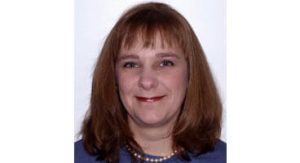 Jennifer Bolander has been serving as a Special Education Specialist for PWSA (USA) since October of 2015. She is a graduate of John Carroll University and lives in Ohio with her husband Brad and daughters Kate (17), and Sophia (13) who was born with PWS.
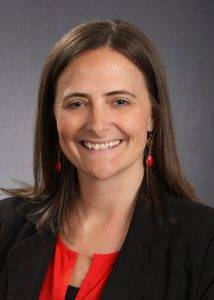 Dr. Amy McTighe is the PWS Program Manager and Inpatient Teacher at the Center for Prader-Willi Syndrome at the Children’s Institute of Pittsburgh. She graduated from Duquesne University receiving her Bachelor’s and Master’s degree in Education with a focus on elementary education, special education, and language arts.
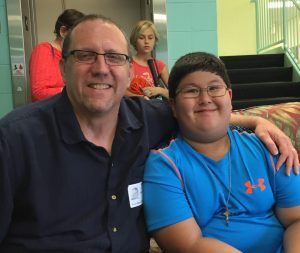 Evan has worked with the Prader-Willi Syndrome Association (USA) since 2007 primarily as a Crisis Intervention and Family Support Counselor. Evans works with parents and schools to foster strong collaborative relationships and appropriate educational environments for students with PWS.
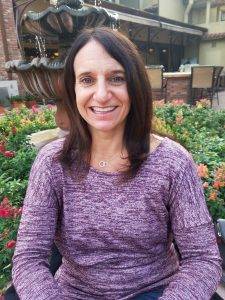 Staci Zimmerman works for Prader-Willi Syndrome Association of Colorado as an Individualized Education Program (IEP) consultant. Staci collaborates with the PWS multi-disciplinary clinic at the Children’s Hospital in Denver supporting families and school districts around the United States with their child’s Individual Educational Plan.
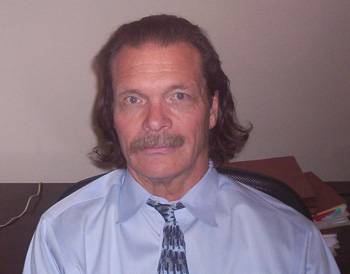 Founded in 2001, SDLC is a non-profit legal services organization dedicated to protecting and advancing the legal rights of people with disabilities throughout the South. It partners with the Southern Poverty Law Center, Protection and Advocacy (P&A) programs, Legal Services Corporations (LSC) and disability organizations on major, systemic disability rights issues involving the Individuals with Disabilities Education Act (IDEA), Americans with Disabilities Act (ADA), and the federal Medicaid Act. Recently in November 2014, Jim retired.