
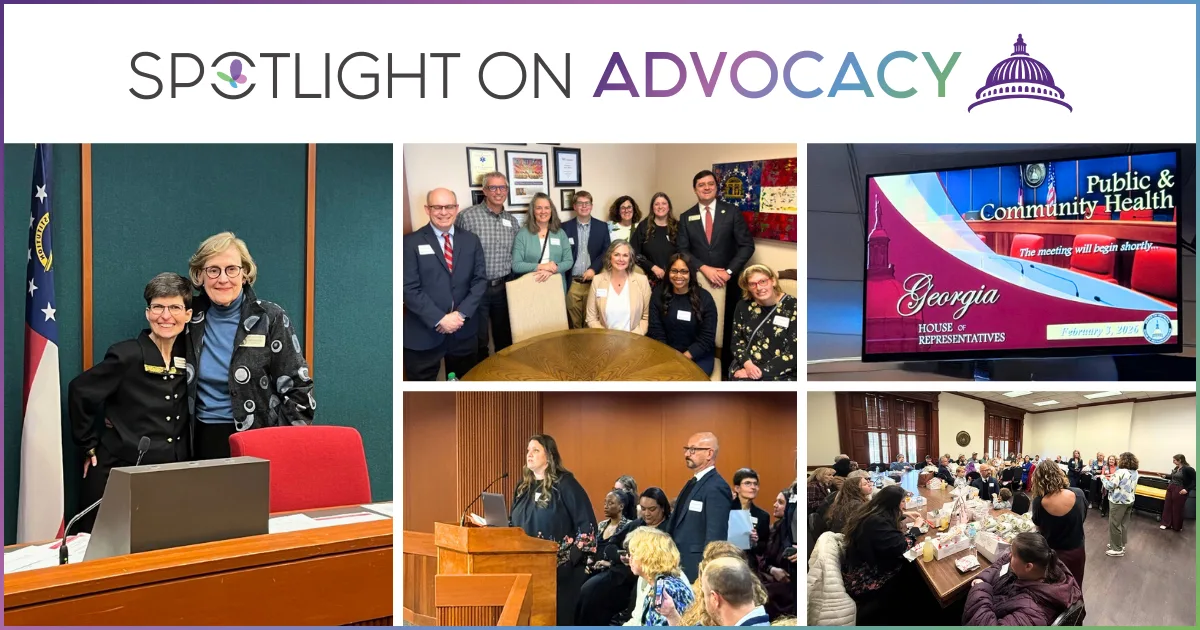
Contributed by Kelly Guillou
On February 3, 2026, the Georgia Association for Prader-Willi Syndrome held an advocacy day at the Georgia State Capitol. The event began with a luncheon in the Capitol building, generously sponsored by Soleno Therapeutics. The luncheon was open to members of the PWS community, state legislators, and their staff. The turnout was excellent, with over 18 families and 53 community members in attendance. Several legislators and staff members visited to learn more about PWS.
Following the luncheon, the group attended the first House of Representatives Committee on Public and Community Health meeting of the 2026 legislative session. The Association testified before the committee to provide education on PWS, the challenges it presents, and the supports necessary for individuals with PWS to live full and productive lives in Georgia.
There were five speakers in total:
– Dr. Michael Gambello, Professor and Vice Chair of the Department of Human Genetics at Emory University School of Medicine and principal investigator for three PWS clinical trials.
– Kara Hinkley, Director of Government Affairs at Soleno Therapeutics.
– Lisa Matesevac, PWS parent and researcher at FPWR.
– Jessica McCabe, PWS parent and physician.
– Shawn Cooper, an adult living with PWS and member of the PWSA Adult Advisory Board.
Each speaker addressed different facets of PWS and discussed how the state of Georgia could improve the lives of those living with the syndrome. The committee members were highly engaged and asked several questions. Beyond the testimony, the committee was particularly impressed by the community’s presence, specifically when all those touched by PWS were asked to raise their hands. The committee members expressed their appreciation for the group’s strength and gave the audience a round of applause.
After the meeting, members of our group toured State Representative Scott Hilton’s office and spoke with him directly about our community’s most pressing issues. He requested that we communicate these concerns in writing and has agreed to help investigate potential solutions.
Overall, the day was a success, and participants felt their voices were heard. We plan to hold another event in early March to build on this progress.
Share this!

 Perry A. Zirkel has written more than 1,500 publications on various aspects of school law, with an emphasis on legal issues in special education. He writes a regular column for NAESP’s Principal magazine and NASP’s Communiqué newsletter, and he did so previously for Phi Delta Kappan and Teaching Exceptional Children.
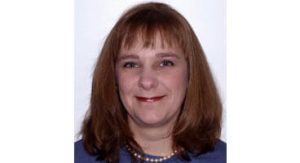 Jennifer Bolander has been serving as a Special Education Specialist for PWSA (USA) since October of 2015. She is a graduate of John Carroll University and lives in Ohio with her husband Brad and daughters Kate (17), and Sophia (13) who was born with PWS.
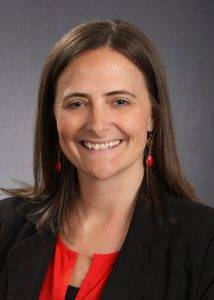 Dr. Amy McTighe is the PWS Program Manager and Inpatient Teacher at the Center for Prader-Willi Syndrome at the Children’s Institute of Pittsburgh. She graduated from Duquesne University receiving her Bachelor’s and Master’s degree in Education with a focus on elementary education, special education, and language arts.
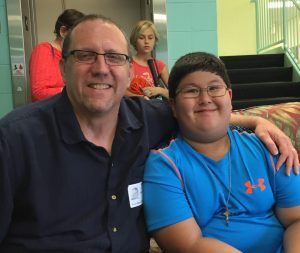 Evan has worked with the Prader-Willi Syndrome Association (USA) since 2007 primarily as a Crisis Intervention and Family Support Counselor. Evans works with parents and schools to foster strong collaborative relationships and appropriate educational environments for students with PWS.
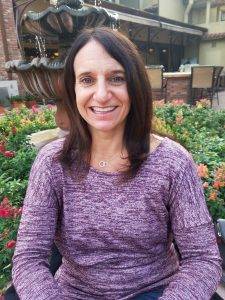 Staci Zimmerman works for Prader-Willi Syndrome Association of Colorado as an Individualized Education Program (IEP) consultant. Staci collaborates with the PWS multi-disciplinary clinic at the Children’s Hospital in Denver supporting families and school districts around the United States with their child’s Individual Educational Plan.
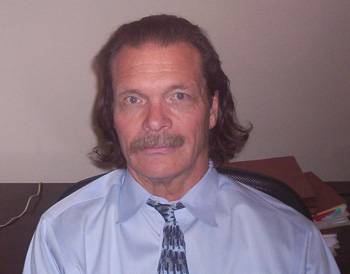 Founded in 2001, SDLC is a non-profit legal services organization dedicated to protecting and advancing the legal rights of people with disabilities throughout the South. It partners with the Southern Poverty Law Center, Protection and Advocacy (P&A) programs, Legal Services Corporations (LSC) and disability organizations on major, systemic disability rights issues involving the Individuals with Disabilities Education Act (IDEA), Americans with Disabilities Act (ADA), and the federal Medicaid Act. Recently in November 2014, Jim retired.