Title: Qualitative Parental Perceptions of a Pediatric MDT Clinic for Prader-Willi Syndrome
Date: August 18, 2021
Authors: Jennifer S Cox, Claire Semple, Rhian Augustus, Melanie Wenn, Shelley Easter, Rebecca Broadbent, Dinesh Giri, Elanor C Hinton
Abstract: This preliminary review was conducted to inform the design of a new service to support families with children with Prader-Willi Syndrome. Families were invited to attend a pilot clinic at a hospital outpatient department, comprising of appointments with a multi-disciplinary team.
Method: Following the clinic, families (n=6) were invited to partake in semi-structured qualitative interviews that were audio-recorded, transcribed, and analyzed using thematic analysis.
Results: Families reported that the clinic offered enhanced support within the following categories: integrated care; professional input; signposting to social support (respite and financial); connection with the wider PWS community; and behavioral support.
Conclusion: This is the first paper that documents the parental perspective of a multi-disciplinary team (MDT) clinic for children with Prader-Willi syndrome. The families felt an MDT led clinic was superior to current care, offering more convenient access to an enhanced service, which would provide integrated and consistent care for their children’s diverse, changing needs.
Publication Link: https://cms.galenos.com.tr/Uploads/Article_48631/JCRPE-13-439-En.pdf
________________________________________________________________
Title: Measuring Meaningful Benefit-Risk Tradeoffs to Promote Patient-Focused Drug Development in Prader-Willi Syndrome: A Discrete-Choice Experiment
Date: September 2, 2021
Authors: Jui-Hua Tsai, Norah L Crossnohere, Theresa Strong, John F P Bridges
Abstract: Background. Prader-Willi syndrome (PWS) is a rare neurodevelopmental disorder causing quality of life impairments such as insatiable hunger (hyperphagia) and obesity. We explored caregivers’ willingness to assume treatment risk in exchange for reduced hyperphagia according to a PWS-validated observer-reported outcome measure. Methods. We partnered with PWS patient organizations to develop a discrete-choice experiment exploring caregivers’ benefit-risk tradeoffs for emerging PWS treatments. The treatment benefit was a reduction in hyperphagia (as measured by a 0-, 5-, or 10-point change on the Hyperphagia Questionnaire for Clinical Trials [HQ-CT]). Treatment risks included weight gain (none, 5%, 10%), added risk of skin rash (none, 10%, 20%), and risk of liver damage (none, 1 in 1000, 10 in 1000). Preference models were estimated using mixed logistic regression and maximum acceptable risk. We explored differences in preferences across familial caregivers of patients with and without hyperphagia. Results. Four hundred sixty-eight caregivers completed the online survey. The majority of caregivers reported that patients experienced hyperphagia (68%) and half of patients experienced obesity (52%). Caregivers of patients without hyperphagia were willing to accept greater weight gain (16.4% v. 8.1%, P = 0.004) and a higher risk of skin rash (11.7% v. 6.2% P = 0.008) as compared to caregivers of patients with hyperphagia. Caregivers of patients with hyperphagia would accept a higher risk of liver damage as compared to caregivers of patients without hyperphagia (11.9 out of 1000 v. 6.4 out of 1000, P = 0.04). Conclusions. This research demonstrates that caregivers are willing to accept risk in exchange for a five-point improvement on the HQ-CT, a smaller marginal improvement than had been previously classified as meaningful. Patient experience with hyperphagia is a modifier in how much risk caregivers will accept.
Publication Link: http://europepmc.org/article/MED/34497876
________________________________________________________________
Title: A scoping review of case law relating to support and treatment for people with Prader-Willi Syndrome
Date: September 1, 2021
Authors: Anna Murray, Isla Kuhn, Gautam Gulati, Elizabeth Fistein
Abstract: Background: Prader-Willi Syndrome (PWS) is a complex multisystem genetic disorder associated with several challenges for people with PWS themselves, and for their families and care givers. Support around access to food is a particular issue due to impaired satiety and, because of this, people with PWS eat excessive amounts of food (hyperphagia). Together with other aspects of the PWS phenotype including, in many cases, a reduced sensitivity to pain, hyperphagia results in life-threatening obesity and life-shortening complications for some people with PWS. Restrictions to liberty and/or access to food raise important legal and ethical considerations in the clinical management of children and adults with PWS. Particularly where disagreements arise and, in the absence of comprehensive guidance for care providers, the courts may be called upon to resolve these difficult issues.
Aims: 1) To review case-law from English-speaking common law jurisdictions concerning support arrangements for people with PWS with a view to identifying issues that have required the intervention of the courts. 2) To identify principles on which to base clinical guidelines relating to the issues identified, ensuring that such guidelines are consistent with ethical and human rights imperatives.
Methods: Westlaw, Westlaw AU, and Lexis Nexis were searched for case law concerning the treatment or support of a person with PWS.
Results: Fifteen cases from jurisdictions in Australia, New Zealand, Canada, the United Kingdom and the United States of America met inclusion criteria. Areas requiring judicial decision-making included a) detention in psychiatric hospital; b) support in least restrictive environments c) eligibility for support services; d) guardianship; e) access to special education. Judicial decisions are discussed in the context of the United Nations’ Convention on the Rights of Persons with Disabilities.
Publication Link: https://www.sciencedirect.com/science/article/abs/pii/S0160252721000625?via%3Dihub
________________________________________________________________
Title: Epigenetics of Prader-Willi Syndrome: A good example of translational medicine (Article in Spanish)
Date: August 11, 2021
Authors: Moisés Mercado
Abstract: In this editorial the author presents a study, concerning Prader-Willi syndrome, which is paradigmatic for translational medicine, given that it creates a synergy between genetics and molecular biology, in order to improve the care for patients suffering from this syndrome.
Publication Link: ???
________________________________________________________________
Title: Quantifying the Burden of Hyperphagia in Prader-Willi Syndrome Using Quality-Adjusted Life-years
Date: June 27, 2021
Authors: Tara A Lavelle, Norah L Crossnohere, John F P Bridges
Abstract: Background: Prader-Willi syndrome (PWS) is a rare disease associated with cognitive impairment, hypotonia, hyperphagia (an insatiable hunger), and obesity. Therapies that target hyperphagia are in development but understanding the value of these therapies to inform patient-focused drug development (PFDD) requires valid data on disease burden. We estimated disease burden by measuring and comparing quality-adjusted life-years (QALYs) for 3 PWS health states relevant to current PFDD initiatives.
Methods: Time trade-off (TTO) and a visual analog scale (VAS) were used to elicit PWS caregivers’ values for 3 fixed health states for a standardized patient described with (1) untreated PWS, (2) PWS with controlled obesity, and (3) PWS with controlled obesity and hyperphagia. We excluded participants who left at least 1 TTO or VAS question blank or incomplete (noncompleters) and respondents who reported the same answer for all TTO scenarios (nontraders). The remaining group of respondents (traders) were used for all primary analyses. We assessed validity and bias of QALY estimates by comparing differences in health state valuations, treatment priorities, and characteristics among respondents who did and did not complete the TTO.
Results: A total of 458 respondents completed the survey, including 226 traders, 93 nontraders, and 139 noncompleters. Traders valued untreated PWS at 0.69 QALYs, PWS with controlled obesity at 0.79 QALYs, and controlled hyperphagia/obesity at 0.91 QALY (P < 0.01 for differences among health state values). Reported VAS ratings were similar for traders versus nontraders for untreated PWS (38.64 vs 38.95, P = 0.89) and PWS with controlled obesity (57.36 vs 55.14, P = 0.35) but varied for PWS with controlled obesity and hyperphagia (70.70 vs 64.46, P = 0.02). Exclusion of noncompleters did not introduce obvious bias because traders and noncompleters were similar in treatment priorities and characteristics. The exclusion of nontraders did not meaningfully alter mean or distribution of valuations.
Conclusions: This study found that avoiding hyperphagia decreases the burden of PWS and that these results are robust, even once imposing strict inclusion criteria. Use of fixed health states to estimate QALYs addresses many of the complexities of measuring disease burden in rare and pediatric conditions, indicating the potential value of this approach to inform premarket decision makers in identifying outcome importance.
Publication Link: https://www.clinicaltherapeutics.com/article/S0149-2918(21)00228-9/fulltext
________________________________________________________________
Title: Syndrome-Related Risk Factors for Sexual Abuse: The Example of Prader-Willi Syndrome
Date: June 29, 2021
Authors: Fortu Benarroch, Naama Srebnik-Moshe, Harry J Hirsch, Larry Genstil, Dvorit Derei, Anna Shay, Varda Gross-Tsur
Abstract: Many genetic disorders associated with intellectual disability are characterized by unique behavioral phenotypes which may have serious psychological consequences such as increasing the risk for sexual abuse (SA). Prader-Willi Syndrome (PWS), a severe neurogenetic syndrome with uncontrollable hyperphagia and high threshold for pain, is an excellent example of this issue. The absence of reports on SA in PWS highlights the lack of awareness to the topic. Our aim was to report on SA in individuals with PWS, describe its unique characteristics, and offer recommendations for its prevention. Caregivers of all individuals with genetically confirmed PWS living in the only two residential facilities designated for PWS in Israel were interviewed for a history of sexual behavior and abuse, and medical data were collected from their files. SA was reported in a quarter of the sample. In most of the cases (78%), food reward was used by the perpetrators to attract their victims. Age at SA ranged from 11 to 29 years. Most of the individuals did not disclose the event and some continued to initiate inappropriate sexual activity to obtain food. Characteristics unique to PWS, such as food-seeking behaviors and high threshold for pain, likely contribute to the risk for SA. These findings suggest that syndrome-specific programs for SA prevention should be considered for individuals with any genetic syndrome with behavioral problems that may increase SA risk.
Publication Link: https://link.springer.com/article/10.1007%2Fs10508-021-01934-9

 Perry A. Zirkel has written more than 1,500 publications on various aspects of school law, with an emphasis on legal issues in special education. He writes a regular column for NAESP’s Principal magazine and NASP’s Communiqué newsletter, and he did so previously for Phi Delta Kappan and Teaching Exceptional Children.
 Jennifer Bolander has been serving as a Special Education Specialist for PWSA (USA) since October of 2015. She is a graduate of John Carroll University and lives in Ohio with her husband Brad and daughters Kate (17), and Sophia (13) who was born with PWS.
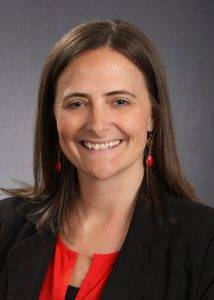 Dr. Amy McTighe is the PWS Program Manager and Inpatient Teacher at the Center for Prader-Willi Syndrome at the Children’s Institute of Pittsburgh. She graduated from Duquesne University receiving her Bachelor’s and Master’s degree in Education with a focus on elementary education, special education, and language arts.
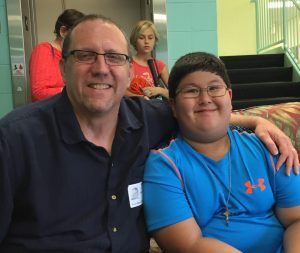 Evan has worked with the Prader-Willi Syndrome Association (USA) since 2007 primarily as a Crisis Intervention and Family Support Counselor. Evans works with parents and schools to foster strong collaborative relationships and appropriate educational environments for students with PWS.
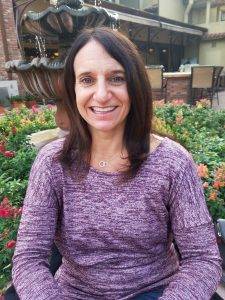 Staci Zimmerman works for Prader-Willi Syndrome Association of Colorado as an Individualized Education Program (IEP) consultant. Staci collaborates with the PWS multi-disciplinary clinic at the Children’s Hospital in Denver supporting families and school districts around the United States with their child’s Individual Educational Plan.
 Founded in 2001, SDLC is a non-profit legal services organization dedicated to protecting and advancing the legal rights of people with disabilities throughout the South. It partners with the Southern Poverty Law Center, Protection and Advocacy (P&A) programs, Legal Services Corporations (LSC) and disability organizations on major, systemic disability rights issues involving the Individuals with Disabilities Education Act (IDEA), Americans with Disabilities Act (ADA), and the federal Medicaid Act. Recently in November 2014, Jim retired.