

Question:
Male, 22 years old, Deletion subtype
My son was diagnosed with Prader Willi when he was born. I’m in a position whether I should place him in a group home where he can get help. He’s currently living at home & it’ s getting out of control with his weight gain & diabetes. Please help. Thank you!
Nurse Lynn’s Response:
This is a very hard decision, and many parents of adults with PWS struggle with it. You’re not alone in feeling unsure or worried about what’s best for your son. It can be difficult to think about placing him in a group home, but it’s also a sign of love and responsibility. Many parents reach this point when their child’s weight, diabetes, or behaviors become too hard to manage at home. It’s also common for parents to start thinking about their own health and aging, and to worry about who will care for their loved one in the future. Planning ahead helps make sure your child will always be safe and supported, even when you can’t be there every day.
Group homes that understand PWS can make a big difference. They have trained staff who know how to keep food secure, give medicines correctly, and provide structure that helps with weight control and behavior. These homes also offer activities, routines, and emotional support that help people with PWS feel calm and confident. Many families find that after their loved one moves into a safe and structured home, their relationship actually improves—they can enjoy visits, phone calls, and family time without the constant stress of caregiving.
In Florida, The ARC of Arcalachua and Tampa Bay do have residential homes designed to meet the needs of the individual with PWS. I have linked a blog about their services along with their website. It is important to work with your son’s case manager to look at programs that have PWS specific services or those that may be willing to start. At PWSA|USA, we do offer comprehensive supports to residential providers to train and have ongoing input into menu’s, programs and behavioral support.
Resources:
https://www.pwsausa.org/a-look-into-the-arc-of-alachua-countys-prader-willi-group-home/
https://www.thearctb.org/residential-day-habilitation
Do you have a question for Nurse Lynn? Submit your question here:
Share this!



 Perry A. Zirkel has written more than 1,500 publications on various aspects of school law, with an emphasis on legal issues in special education. He writes a regular column for NAESP’s Principal magazine and NASP’s Communiqué newsletter, and he did so previously for Phi Delta Kappan and Teaching Exceptional Children.
 Jennifer Bolander has been serving as a Special Education Specialist for PWSA (USA) since October of 2015. She is a graduate of John Carroll University and lives in Ohio with her husband Brad and daughters Kate (17), and Sophia (13) who was born with PWS.
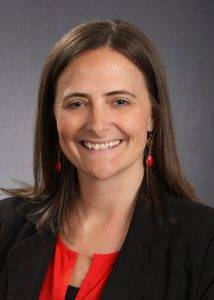 Dr. Amy McTighe is the PWS Program Manager and Inpatient Teacher at the Center for Prader-Willi Syndrome at the Children’s Institute of Pittsburgh. She graduated from Duquesne University receiving her Bachelor’s and Master’s degree in Education with a focus on elementary education, special education, and language arts.
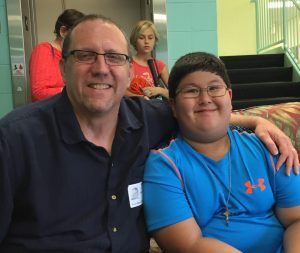 Evan has worked with the Prader-Willi Syndrome Association (USA) since 2007 primarily as a Crisis Intervention and Family Support Counselor. Evans works with parents and schools to foster strong collaborative relationships and appropriate educational environments for students with PWS.
 Staci Zimmerman works for Prader-Willi Syndrome Association of Colorado as an Individualized Education Program (IEP) consultant. Staci collaborates with the PWS multi-disciplinary clinic at the Children’s Hospital in Denver supporting families and school districts around the United States with their child’s Individual Educational Plan.
 Founded in 2001, SDLC is a non-profit legal services organization dedicated to protecting and advancing the legal rights of people with disabilities throughout the South. It partners with the Southern Poverty Law Center, Protection and Advocacy (P&A) programs, Legal Services Corporations (LSC) and disability organizations on major, systemic disability rights issues involving the Individuals with Disabilities Education Act (IDEA), Americans with Disabilities Act (ADA), and the federal Medicaid Act. Recently in November 2014, Jim retired.