
Question:
Female, 23 years old, deletion subtype
Are there any disassociation or dissociative disorders in Prader- Willi? Is disassociation part of PWS?
Nurse Lynn’s Response:
Dissociation or a dissociative disorder is not considered a core or defining part of PWS. Experts who study PWS, including those summarized in the IPWSO Mental Health Network Report (June 2025) and PWSA | USA mental health guides, explain that dissociative disorders are not common or typical in people with PWS. However, people with PWS can have stress-related reactions, anxiety, mood changes, or more serious mental health conditions such as depression, bipolar-like symptoms, or psychosis, especially during the teen years and early adulthood.
Because PWS affects how the brain handles stress, emotions, and change, a person may sometimes shut down, seem “checked out,” confused, spaced out, or have trouble responding when things feel overwhelming. These behaviors can look like dissociation, but they are usually signs of emotional overload, anxiety, or a change in mental state, not true dissociation. In young adults with PWS, symptoms like confusion, mood swings, or difficulty organizing thoughts can become more noticeable and are sometimes mistaken for dissociation, even though they are part of the PWS mental health profile.
Since regular mental health labels do not always fit well for people with PWS, any new or worsening changes in behavior or thinking should be carefully evaluated by a doctor or mental health provider who understands PWS, so the right support and treatment can be provided.
Resources:
The-Mental-Health-of-People-with-PWS-T-Holland.pdf
Mental-Health-and-Behavior-Changes.pdf
PWS-Information-for-Psychiatrists.pdf
Do you have a question for Nurse Lynn? Submit your question here:
Share this!



 Perry A. Zirkel has written more than 1,500 publications on various aspects of school law, with an emphasis on legal issues in special education. He writes a regular column for NAESP’s Principal magazine and NASP’s Communiqué newsletter, and he did so previously for Phi Delta Kappan and Teaching Exceptional Children.
 Jennifer Bolander has been serving as a Special Education Specialist for PWSA (USA) since October of 2015. She is a graduate of John Carroll University and lives in Ohio with her husband Brad and daughters Kate (17), and Sophia (13) who was born with PWS.
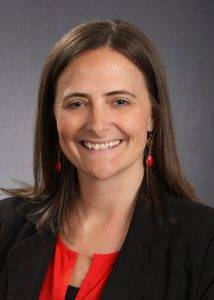 Dr. Amy McTighe is the PWS Program Manager and Inpatient Teacher at the Center for Prader-Willi Syndrome at the Children’s Institute of Pittsburgh. She graduated from Duquesne University receiving her Bachelor’s and Master’s degree in Education with a focus on elementary education, special education, and language arts.
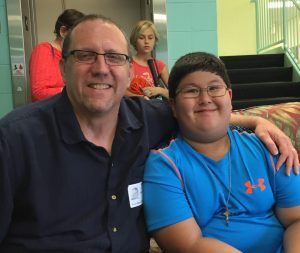 Evan has worked with the Prader-Willi Syndrome Association (USA) since 2007 primarily as a Crisis Intervention and Family Support Counselor. Evans works with parents and schools to foster strong collaborative relationships and appropriate educational environments for students with PWS.
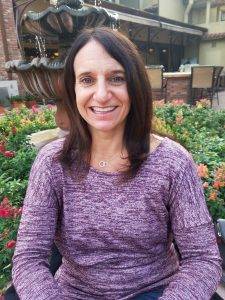 Staci Zimmerman works for Prader-Willi Syndrome Association of Colorado as an Individualized Education Program (IEP) consultant. Staci collaborates with the PWS multi-disciplinary clinic at the Children’s Hospital in Denver supporting families and school districts around the United States with their child’s Individual Educational Plan.
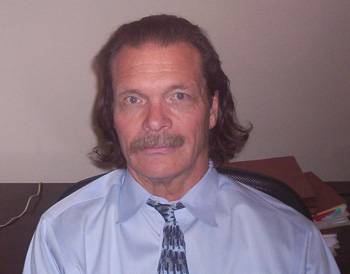 Founded in 2001, SDLC is a non-profit legal services organization dedicated to protecting and advancing the legal rights of people with disabilities throughout the South. It partners with the Southern Poverty Law Center, Protection and Advocacy (P&A) programs, Legal Services Corporations (LSC) and disability organizations on major, systemic disability rights issues involving the Individuals with Disabilities Education Act (IDEA), Americans with Disabilities Act (ADA), and the federal Medicaid Act. Recently in November 2014, Jim retired.