

Join Experts for the Find Your Voice: Advocating for PWS Health Care Webinar Series
In April 2022, PWSA | USA will host the "Find Your Voice: Advocating for PWS Health Care" webinar series to provide helpful tools and resources on health care advocacy for our PWS community. Because there are very few health care professionals in our communities who have knowledge of the unique health issues of infants, children, and adults with PWS – especially in urgent and/or emergency situations – it falls to the parents and caregivers to be the primary educators and advocates on health issues and needs for people with PWS. Led by PWS healthcare professionals (some of whom are parents of children with PWS), our four-part webinar series provides strategies and resources to help you advocate in the prevention, diagnosis, and management of the many health concerns and behaviors experienced by those with PWS.
Find Your Voice Webinar Series Schedule:
Friday, April 1, 2022 | 2:30 p.m. EST
Speaker: Stacy Ward, MS, Director of Family Support, PWSA | USA
Topics: Health advocacy (strategies, tools, and resources), common urgent health topics (high pain threshold, respiratory concerns, temperature regulation problems)
--------------------------------------------------------------
Friday, April 8, 2022 | 2:30 p.m. EST
Speaker: Lynn Garrick, RN, Medical/Research Coordinator, PWSA | USA
Topics: Key advocacy points, common urgent health topics (GI problems, fragile bones, skin picking, food seeking, weight management)
--------------------------------------------------------------
Friday, April 22, 2022 | 2:30 p.m. EST
Speaker: Barb Dorn, RN, BSN
Topics: Concerns for the hospitalized person with PWS (ER information, anesthesia, post-op monitoring, medication sensitivity, food security)
--------------------------------------------------------------
Friday, April 29, 2022 | 2:30 p.m. EST
Speaker: Lauren Schwartz-Roth, PhD, Clinical Psychologist, FPWR
Topics: Mental health crisis, getting help (differentiating between typical PWS behaviors & a mental health diagnosis, identifying and treating serious mental health issues)
Share this!


 Perry A. Zirkel has written more than 1,500 publications on various aspects of school law, with an emphasis on legal issues in special education. He writes a regular column for NAESP’s Principal magazine and NASP’s Communiqué newsletter, and he did so previously for Phi Delta Kappan and Teaching Exceptional Children.
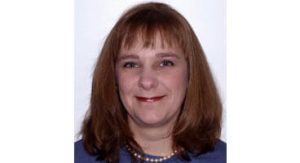 Jennifer Bolander has been serving as a Special Education Specialist for PWSA (USA) since October of 2015. She is a graduate of John Carroll University and lives in Ohio with her husband Brad and daughters Kate (17), and Sophia (13) who was born with PWS.
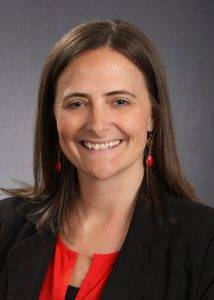 Dr. Amy McTighe is the PWS Program Manager and Inpatient Teacher at the Center for Prader-Willi Syndrome at the Children’s Institute of Pittsburgh. She graduated from Duquesne University receiving her Bachelor’s and Master’s degree in Education with a focus on elementary education, special education, and language arts.
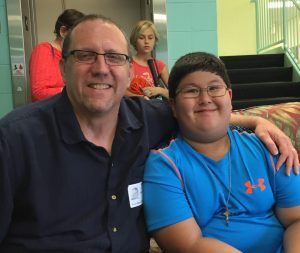 Evan has worked with the Prader-Willi Syndrome Association (USA) since 2007 primarily as a Crisis Intervention and Family Support Counselor. Evans works with parents and schools to foster strong collaborative relationships and appropriate educational environments for students with PWS.
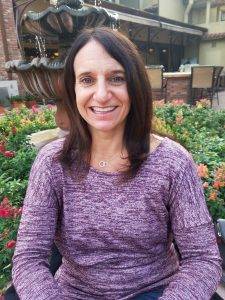 Staci Zimmerman works for Prader-Willi Syndrome Association of Colorado as an Individualized Education Program (IEP) consultant. Staci collaborates with the PWS multi-disciplinary clinic at the Children’s Hospital in Denver supporting families and school districts around the United States with their child’s Individual Educational Plan.
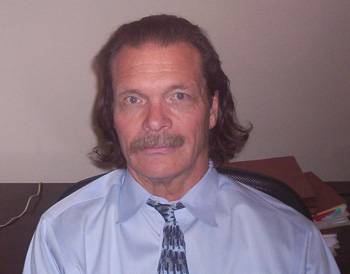 Founded in 2001, SDLC is a non-profit legal services organization dedicated to protecting and advancing the legal rights of people with disabilities throughout the South. It partners with the Southern Poverty Law Center, Protection and Advocacy (P&A) programs, Legal Services Corporations (LSC) and disability organizations on major, systemic disability rights issues involving the Individuals with Disabilities Education Act (IDEA), Americans with Disabilities Act (ADA), and the federal Medicaid Act. Recently in November 2014, Jim retired.