

We are recognizing Sleep Awareness Week (March 9-14) and World Sleep Day (March 14) because disordered sleep is a common issue in individuals with Prader-Willi syndrome. Many of our loved ones are diagnosed with obstructive sleep apnea, central sleep apnea, cataplexy, narcolepsy, and/or excessive daytime sleepiness. These symptoms can greatly impact mental cognition, physical stamina, and social and behavioral interactions. It is important for caregivers to talk with their loved one’s provider about any concerns, which may require a sleep study and relevant follow up treatments or lifestyle changes. Many individuals with PWS have experienced improvement in their quality of life when sleep disorders are properly addressed. For some families, the intervention has been Harmony Bioscience’s TEMPO clinical trial of pitolisant.
The TEMPO trial is studying pitolisant, an investigational medication to treat excessive daytime sleepiness. This study is seeking more participants with PWS who experience excessive daytime sleepiness and are 6 years and older. Below are some first-hand testimonials of how pitolisant has affected individuals with PWS, from caregivers and the individuals themselves. You can learn more about this trial at TEMPO PWS Clinical Study For Prader-Willi Syndrome – Enroll Today
Testimonials
“Starting Pitolisant has changed my life. Before taking Pitolisant I struggled with constant daytime sleepiness and frequent cataplexy episodes that made it hard for me to focus or do almost anything. It felt like I was watching the world move around me instead of really being part of it. Since starting Pitolisant, my daytime sleepiness has improved a lot, and my cataplexy episodes don’t happen as often. I have more energy to be present, participate in activities, and connect with people around me. Like I always say, ‘Before Pitolisant, I felt like I was in the world. After starting it, I felt like I was part of the world.’ That difference has meant everything to me.” – Justice Rickenbach, 22, living with PWS
“Prader-Willi syndrome also causes me to be very tired. This makes it hard to focus and control my behaviors. When I was a little boy in school I was distracted when my teachers were talking, and I had a lack of focus. I used to have to nap every day in the nurse’s office during school and fell asleep all over the place on the weekend. Then I started a new medication called Pitolisant. Pitolisant helped me to stay awake during the day and focus. When I was more awake, I could calm my body and my emotions better too. Some days are still hard, especially when plans change, but I am better at controlling my emotions. Now I can focus in school. I have made the honor roll every quarter in high school so far. I would not have done this well in school without my medication. I wish all of my friends with PWS could get the same medications, but they have to wait for it to be approved.” – Aeden Tenbrunsel, 17, living with PWS
“In second grade my daytime sleepiness got really bad. My mom started sending me to school with black tea or even coffee just to help me stay awake until lunch. Even though it was easy for me to fall asleep, I kept waking up earlier and earlier in the mornings.
Doctors at Texas Children’s Hospital figured out what was going on and diagnosed me with narcolepsy. They prescribed a medicine called pitolisant, which had just been approved to treat narcolepsy.
Soon after I started taking pitolisant, things got a lot better. I could think more clearly, and it was easier to find the words I wanted to say. I could stay awake all day at school without needing naps. I even started sleeping about two hours later in the morning.
I also started getting better at reading and was able to catch up with the other kids in my class!
When I got older, I started having really scary sleep attacks. Sometimes my school would call 911 and send me to the ER. Even though I couldn’t open my eyes or move, I could still hear everything people were saying. The longest time I was unresponsive was two hours.
My doctor increased my dose of pitolisant, and things went back to normal right away.
Even though I had a diagnosis of narcolepsy, my mom and my doctor had to fight really hard with the insurance company to get the medicine covered because I have PWS. I’m really happy that pitolisant is now being studied for kids with PWS, because it has helped me so much.” – Téa Picone,13, living with PWS
“Daytime sleepiness was always a challenge for Joseph when he was younger. If he was in the car, even for a short drive, he would almost always fall asleep. Many times, we would carry him into the house, and he would stay asleep the entire time. It was clear that he struggled with constant fatigue during the day. After school he was often completely exhausted, and it was difficult for him to stay alert long enough to fully engage in activities, homework, or even conversations. At the time we just knew he was very tired, but we later realized how much that level of sleepiness was affecting his ability to focus, process information, and participate the way other kids his age could.
When Joseph was almost six years old, we were fortunate to be part of a very small group that received personal importation permission from the FDA for pitolisant. He started the medication right after his sixth birthday, and for our family it was truly a game changer. Almost immediately we noticed a difference. Joseph stopped falling asleep in the car and was no longer coming home from school completely drained. Some of his teachers even commented that he seemed to process information more quickly and stay engaged longer during lessons. Looking back, that makes perfect sense because he was finally awake, alert, and able to participate. Joseph is about to turn 15 now, and since then he has transitioned into the clinical trial with Harmony. For us, this one change has had a tremendous impact on his day-to-day life. It has allowed him to be more present in school, participate in sports and activities, and experience a more typical daily routine without constantly fighting overwhelming fatigue.” – Angela Frazier, mom to Joseph, 14, living with PWS
“My daughter Josephine, now nine years old, was one of the first participants at the first site to open for the clinical trial of pitolisant for the PWS population. At seven years old, Jojo struggled with sleepiness (more than I realized!) but didn’t meet the criteria for a narcolepsy diagnosis. Nevertheless, I knew fatigue was getting in the way of her full participation in her learning and social aspects of her life. It’s hard to do anything when you feel tired all the time. While we don’t know for certain if she was on the medication or not during the double blind portion of the trial, I can tell you that it is now our desire – and Josephine’s – to remain on the pitolisant for the foreseeable future. I hope we never have to stop giving it to her.
When I say that this medication changed her life, I am not exaggerating. In fact, we went from the IEP team considering not “if,” but “when” Jojo would move to a center-based program (a separate class from a general education class) to the principal saying, “She’s right where she belongs. She’s doing great.” She simply started engaging with the entire world differently. She could focus more and for longer. Her reading took off, her teachers reported she was making more of an effort across the board, she no longer needed the nap that we had written into her IEP. She started doing the optional things, not just the mandatory. She listened attentively in conversations and asked thoughtful questions. She stayed awake much longer in the car and talked with me at length about substantive topics, asking questions, forming and sharing her thoughts along the way. I will never forget visiting family in Los Angeles and having a quiet moment in the morning with my cousin and her son, who is about Jojo’s age. “She seems better,” he said. “Like, she’s saying a lot more and can, like, hang out with us.” Pitolisant doesn’t take away PWS, but it sure gives my child something invaluable.” – Jennifer Andrews, mom to Josephine, 9, living with PWS
“For awhile we were scheduling life around Freya’s need to sleep. This is something you expect to do for an infant or toddler, but not a middle schooler. Several months into the pitolisant trial, looking back at the year before, I realized that our life felt drastically changed. We were not subject to the whims of daily 2-hour naps or the emotional upheaval that comes from our loved ones feeling exhausted. There was so much more peace in the house. We’re over a year in and, while Freya still falls asleep some days, when she does it is most often a quick, energizing nap and she is ready for action. We also don’t tip toe around her emotions like we used to. Perhaps most importantly, she has told her teacher that she feels like her brain is working better. I know how I feel when I am exhausted and I am grateful to have found something to help Freya feel more awake and present.” – Anne Fricke, mom to Freya, 14, living with PWS
Share this!



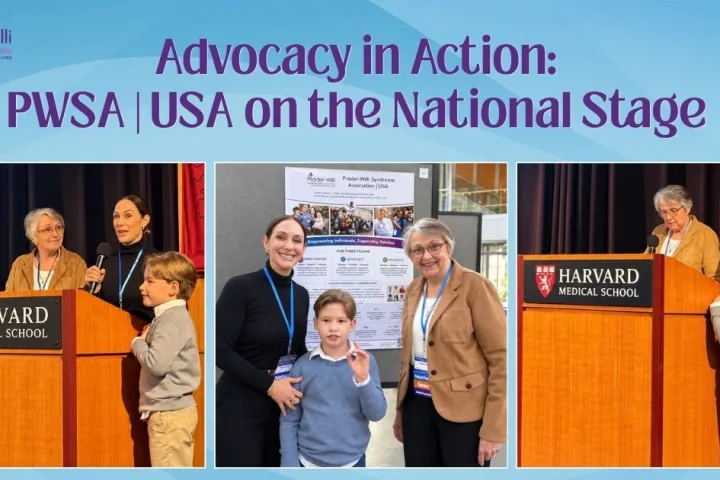
 Perry A. Zirkel has written more than 1,500 publications on various aspects of school law, with an emphasis on legal issues in special education. He writes a regular column for NAESP’s Principal magazine and NASP’s Communiqué newsletter, and he did so previously for Phi Delta Kappan and Teaching Exceptional Children.
 Jennifer Bolander has been serving as a Special Education Specialist for PWSA (USA) since October of 2015. She is a graduate of John Carroll University and lives in Ohio with her husband Brad and daughters Kate (17), and Sophia (13) who was born with PWS.
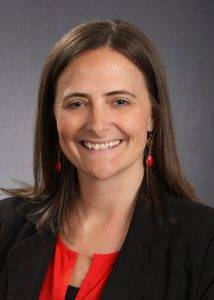 Dr. Amy McTighe is the PWS Program Manager and Inpatient Teacher at the Center for Prader-Willi Syndrome at the Children’s Institute of Pittsburgh. She graduated from Duquesne University receiving her Bachelor’s and Master’s degree in Education with a focus on elementary education, special education, and language arts.
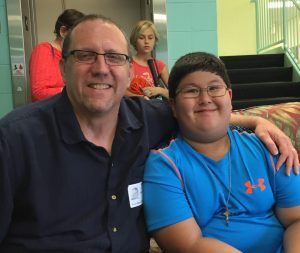 Evan has worked with the Prader-Willi Syndrome Association (USA) since 2007 primarily as a Crisis Intervention and Family Support Counselor. Evans works with parents and schools to foster strong collaborative relationships and appropriate educational environments for students with PWS.
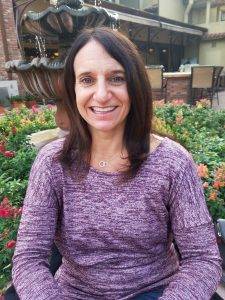 Staci Zimmerman works for Prader-Willi Syndrome Association of Colorado as an Individualized Education Program (IEP) consultant. Staci collaborates with the PWS multi-disciplinary clinic at the Children’s Hospital in Denver supporting families and school districts around the United States with their child’s Individual Educational Plan.
 Founded in 2001, SDLC is a non-profit legal services organization dedicated to protecting and advancing the legal rights of people with disabilities throughout the South. It partners with the Southern Poverty Law Center, Protection and Advocacy (P&A) programs, Legal Services Corporations (LSC) and disability organizations on major, systemic disability rights issues involving the Individuals with Disabilities Education Act (IDEA), Americans with Disabilities Act (ADA), and the federal Medicaid Act. Recently in November 2014, Jim retired.