Prader-Willi Syndrome Treatments
Treatment Approaches for Prader-Willi Syndrome
Prader-Willi syndrome (PWS) is a complex genetic condition that requires thoughtful, coordinated care across the lifespan. Treatment approaches are designed to support growth, body composition, metabolism, behavior, and overall quality of life, and typically involve a multidisciplinary medical team.
This page provides an overview of commonly discussed treatment options for individuals with PWS, along with links to additional educational resources and ongoing research efforts.
Treatment Options
Treatment plans for individuals with Prader-Willi syndrome are highly individualized. Care strategies may change over time based on age, medical history, and evolving needs.
All treatment decisions should be made in partnership with qualified healthcare professionals experienced in PWS care.
Growth Hormone Therapy
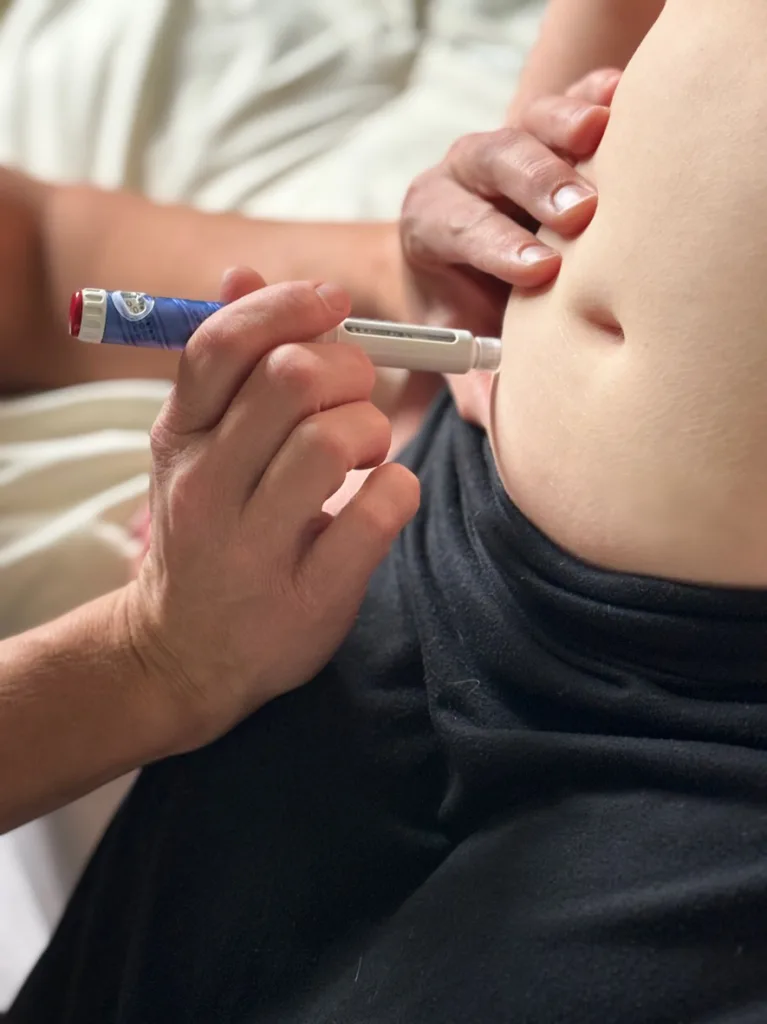
Growth hormone (GH) therapy has been used in individuals with Prader-Willi syndrome (PWS) for several decades and is among the most extensively studied treatments in this population. Research has consistently shown that GH therapy addresses core features of PWS that extend beyond stature alone, particularly abnormalities in body composition, muscle tone, and physical functioning that are present from infancy through adulthood. These effects are directly related to the hypothalamic dysfunction that characterizes PWS and contributes to impaired growth hormone secretion.
Multiple clinical studies and long-term observational data demonstrate that individuals with PWS who receive GH therapy experience increases in lean body mass, improvements in muscle strength and endurance, and reductions in fat mass, even when height gains are not the primary goal. Improvements in physical strength and motor development may support greater independence, increased activity levels, and improved participation in daily life across childhood and adolescence. These benefits have been documented in infants, children, adolescents, and adults with PWS.
Potential Benefits
When prescribed and carefully monitored by a qualified medical provider, growth hormone therapy may support:
- Improved linear growth
- Increased muscle mass and physical strength
- Reduced body fat
- Improved mobility, stamina, and metabolic health
GH therapy is often introduced in childhood, though the timing, duration, and specific treatment approach vary based on individual needs and clinical evaluation.
Clinical Considerations
Decisions regarding growth hormone therapy should always be made in collaboration with an experienced healthcare team. Ongoing monitoring is essential to ensure safety, effectiveness, and appropriate dosing throughout treatment.
Different Growth Hormone Treatments Available
All Gh products used today are synthetic rhGH with the same amino acid sequence as naturally occurring human GH.
- • Genotropin (Pfizer)
- • Norditropin (NovoNordisk)
- • Humatrope ( Eli Lilly)
- • Omnitrope (Sandoz)
Helpful Resources
All Gh products used today are synthetic rhGH with the same amino acid sequence as naturally occurring human GH.
- • PWSA | USA Growth Hormone Booklet (Third Edition)
- • National Library of Medicine — Prader-Willi Syndrome
- • GrowthHormone Research Society Workshop Summary
- • Growth hormone improves mobility and body composition in infants and toddlers with Prader-Willi syndrome
- • Growth hormone treatment improves body composition in adults with Prader-Willi syndrome
- • Growth Hormone Treatment for Adults With Prader-Willi Syndrome: A Meta-Analysis
- • Health Supervision for Children With Prader-Willi Syndrome
VYKAT™ XR (diazoxide choline)
VYKAT™ XR (diazoxide choline) is the first and, currently, only FDA-approved treatment for hyperphagia in people ages 4 and older living with Prader-Willi syndrome.
VYKAT™ XR is a prescription medication approved to treat hyperphagia, a defining and challenging symptom of PWS characterized by persistent hunger and food-related behaviors. It is an extended-release, once-daily oral medication.
The availability of VYKAT™ XR represents an important advancement in the treatment landscape for PWS, offering a therapy specifically indicated for hyperphagia. Whether VYKAT™ XR is appropriate depends on individual needs and should be determined in partnership with a healthcare provider experienced in PWS care.
VYKAT™ XR FAQ for Parents and Caregivers
Since the approval of VYKAT™ XR, families and caregivers have had many important questions about this new option. To help, PWSA | USA, in collaboration with our Clinical & Scientific Advisory Board, has created a comprehensive FAQ document that addresses the most common questions.
Topics covered include:
- • Indication / Hyperphagia
- • Effectiveness / Monitoring
- • Side Effects / Safety
- • Interactions / Pharmacology
- • Administration / Dosing
- • Storage / Pharmacy
VYKAT FAQ’s for Parents
Click below to access and download the full FAQ. This resource was developed with support from a grant provided by Soleno Therapeutics.

Additional Links
Clinical Trials
Clinical trials are research studies that help scientists evaluate the safety, effectiveness, and potential benefits of new treatments for Prader-Willi syndrome. These studies are essential for advancing care and developing therapies that may improve health outcomes and quality of life for individuals living with PWS.
Participation in clinical trials is voluntary and may provide access to emerging treatments while contributing to the future of PWS research.
FAQ’s
In Prader-Willi syndrome, “treatment” refers to a range of medical, behavioral, nutritional, and supportive approaches used to manage symptoms and support overall health and quality of life. Because PWS affects multiple systems in the body, treatment is typically ongoing and individualized rather than a single intervention.
Treatment plans often involve a multidisciplinary care team and may address growth, metabolism, appetite regulation, physical activity, mental health, sleep, and daily functioning. Some treatments are used to manage specific symptoms, while others focus on long-term health and development.
The goal of treatment in PWS is not to cure the condition, but to help individuals live healthier, safer, and more fulfilling lives through coordinated care and informed decision-making.
Currently, there is no cure for Prader-Willi syndrome. PWS is a genetic condition that is present from birth and requires lifelong management. However, many treatments and supportive strategies are available that can help address symptoms and improve quality of life.
Advances in medical care, research, and early intervention have significantly improved outcomes for individuals with PWS over time. Treatments may support physical development, help manage hyperphagia, improve strength and mobility, and address behavioral or mental health needs.
Ongoing research continues to explore new therapies and treatment approaches. While a cure does not yet exist, continued progress offers hope for improved care and additional options in the future.
Finding a healthcare provider with experience in Prader-Willi syndrome can be an important part of effective care. Because PWS is a complex and rare condition, families often benefit from working with providers who understand its medical, behavioral, and nutritional aspects.
PWSA | USA helps families connect with knowledgeable providers by offering educational resources, sharing information about specialty clinics, and providing guidance through its Family Support services. Families can also learn from the experiences of others in the PWS community through support networks and events.
When searching for a provider, it may be helpful to ask about their experience treating individuals with PWS and their approach to coordinated, multidisciplinary care. PWSA | USA can serve as a starting point for finding information and support as families explore care options.
Choosing the right treatments for someone with Prader-Willi syndrome is a highly individualized process. Factors such as age, medical history, symptom presentation, lifestyle, and family needs all play a role in shaping a treatment plan.
Families are encouraged to work closely with a multidisciplinary healthcare team that has experience with PWS. Open communication, regular monitoring, and ongoing reassessment help ensure that treatments remain appropriate over time.
It can also be helpful for families to stay informed, ask questions, and connect with trusted organizations like PWSA | USA for educational resources and support. Treatment decisions are most effective when families feel empowered, informed, and supported throughout the process.
PWSA | USA supports individuals with Prader-Willi syndrome and their families by providing trusted education, resources, and connections that help inform treatment decisions. While PWSA | USA does not offer medical advice, the organization serves as a central source of evidence-based information to help families better understand PWS, available treatments, and emerging research.
Through educational materials, webinars, conferences, and family support services, PWSA | USA helps families build knowledge and confidence when working with their healthcare providers. The organization also shares information about clinical trials and research opportunities that may be relevant to treatment planning.
By combining education, support, and community connection, PWSA | USA helps families feel informed and supported as they navigate care decisions over time.
PWS Resources
Explore educational tools, guides, and trusted information to help individuals with PWS, families, and caregivers navigate care across the lifespan.

PWS Family Support
Connect with PWSA | USA’s Family Support team for guidance, resources, and support for individuals living with Prader-Willi syndrome and those who care for them.

PWS Research
Learn how PWSA | USA supports and advances research initiatives aimed at improving treatment options and outcomes for the Prader-Willi syndrome community.

 Perry A. Zirkel has written more than 1,500 publications on various aspects of school law, with an emphasis on legal issues in special education. He writes a regular column for NAESP’s Principal magazine and NASP’s Communiqué newsletter, and he did so previously for Phi Delta Kappan and Teaching Exceptional Children.
 Jennifer Bolander has been serving as a Special Education Specialist for PWSA (USA) since October of 2015. She is a graduate of John Carroll University and lives in Ohio with her husband Brad and daughters Kate (17), and Sophia (13) who was born with PWS.
 Dr. Amy McTighe is the PWS Program Manager and Inpatient Teacher at the Center for Prader-Willi Syndrome at the Children’s Institute of Pittsburgh. She graduated from Duquesne University receiving her Bachelor’s and Master’s degree in Education with a focus on elementary education, special education, and language arts.
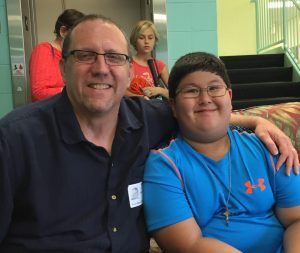 Evan has worked with the Prader-Willi Syndrome Association (USA) since 2007 primarily as a Crisis Intervention and Family Support Counselor. Evans works with parents and schools to foster strong collaborative relationships and appropriate educational environments for students with PWS.
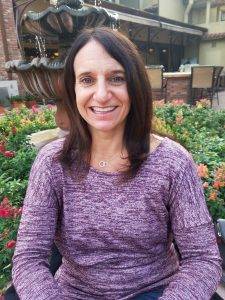 Staci Zimmerman works for Prader-Willi Syndrome Association of Colorado as an Individualized Education Program (IEP) consultant. Staci collaborates with the PWS multi-disciplinary clinic at the Children’s Hospital in Denver supporting families and school districts around the United States with their child’s Individual Educational Plan.
 Founded in 2001, SDLC is a non-profit legal services organization dedicated to protecting and advancing the legal rights of people with disabilities throughout the South. It partners with the Southern Poverty Law Center, Protection and Advocacy (P&A) programs, Legal Services Corporations (LSC) and disability organizations on major, systemic disability rights issues involving the Individuals with Disabilities Education Act (IDEA), Americans with Disabilities Act (ADA), and the federal Medicaid Act. Recently in November 2014, Jim retired.